

The South Is Not One Place
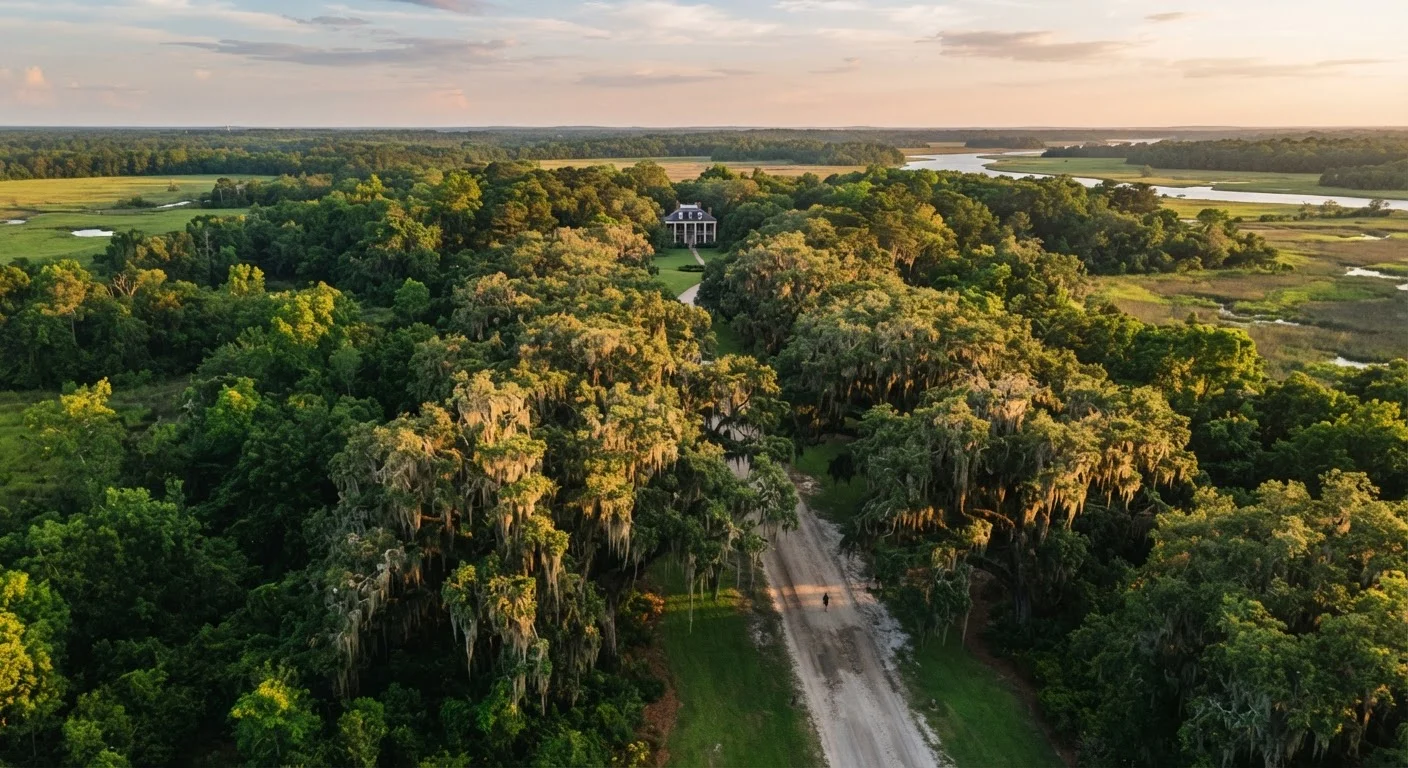
Ask ten Southerners to define "the South" and you'll get ten different answers - and all of them will be partly right. Geographically, the region stretches from the Atlantic coastal plains of Virginia and the Carolinas through the Gulf Coast states of Louisiana and Mississippi, and west into Texas and Arkansas. Culturally, it encompasses Appalachian mountain communities, Cajun bayou country, Lowcountry barrier islands, and sprawling metropolitan hubs like Atlanta, Nashville, and Charlotte.
For travelers arriving with a single image of the South in mind, the region's breadth and variety is often the first and most pleasant surprise. A traveler who explores the Smoky Mountains of Tennessee is having a profoundly different experience than one meandering through the French Quarter of New Orleans - and both encounters are authentically Southern. Understanding these subregional differences before you go makes planning far more intentional and rewarding. If you're weighing the South against other distinct American regions, this comparison of the Mountain West and Pacific Northwest illustrates how differently two regions can feel even within the same country.
Historical Layers Every Visitor Should Know
No region of the United States carries its history more visibly than the South. That history includes Indigenous civilizations predating European contact by thousands of years, Spanish and French colonial settlements, the plantation economy built on enslaved African labor, the Civil War and its long aftermath, the civil rights movement of the 20th century, and ongoing social and political transformation.
Travelers who engage with this history - rather than bypassing it for beach resorts alone - often describe their Southern trips as among the most meaningful of their lives. Civil rights landmarks in Birmingham and Selma, Alabama; the Whitney Plantation in Louisiana, which centers the stories of enslaved people; the National Museum of African American History and Culture (accessible via day trips from D.C. to border-South states) - these sites offer context that reshapes how visitors see the landscape and communities around them.
Interpretive Perspectives Vary at Historic Sites
Historical sites across the South range from those with deeply researched, community-centered storytelling to those that still reflect older, more selective narratives. Reviewing a site's stated mission or recent visitor reviews can help you understand whose stories are centered before you arrive. Engaging with local community-run cultural organizations often provides the richest context.
Honest engagement with Southern history also means recognizing that many monuments and historical framings in the region are contested. Museum interpretations vary widely. Checking a site's stated interpretive approach before visiting helps travelers know what perspective they'll encounter.
Subregions Worth Understanding Before You Plan
Breaking the South into subregions helps enormously with trip planning:
- Appalachian South (western NC, eastern TN, northern GA): Mountain culture, folk traditions, outdoor recreation, and the Great Smoky Mountains - the most visited national park in the country. See how different parks suit different travel styles before deciding where to hike.
- Deep South (MS, AL, and parts of GA and SC): Rich in civil rights history, blues heritage, and some of the most distinctive regional food in America.
- Gulf Coast (FL Panhandle, coastal MS, coastal LA): Beach culture, seafood, and the unique Franco-Spanish heritage of New Orleans.
- Lowcountry (coastal SC and GA): Gullah Geechee cultural heritage, tidal marshes, and historic port cities like Charleston and Savannah.
- Upper South / Border States (VA, NC, TN, KY): Bluegrass and country music, bourbon trails, horse culture, and significant Civil War sites.
Southern cities reward the kind of neighborhood-anchored approach described in this guide to US city travel - each district often carries its own distinct character and history.
Practical Context for Getting Around
The South is overwhelmingly car-dependent outside of a handful of city cores. Even in cities like Nashville and Atlanta, public transit is limited compared to northeastern metros. Renting a vehicle is typically the most practical choice for anyone planning to move between towns, explore rural routes, or visit natural areas.
Climate varies dramatically by subregion and season. Gulf Coast summers are intensely humid; the Appalachian highlands see genuine winter snowfall; spring and fall are generally the most comfortable periods across most of the South. Hurricane season (June through November) affects coastal Gulf and Atlantic areas - travelers heading to those zones in late summer and fall should monitor forecasts and understand their lodging cancellation policies.
Southern hospitality is real, but it isn't monolithic. Urban areas reflect the same demographic diversity found in any large American city. Rural communities can be deeply welcoming to visitors who approach with genuine curiosity and respect for local customs and pace. As with any travel, cultural awareness and humility go a long way - even when traveling domestically.
The content on this site is for informational purposes only and is not a substitute for professional advice. Always consult a qualified professional for guidance specific to your situation.