

One Pass, Wildly Different Experiences
America's national park system spans more than 60 officially designated parks - from steamy subtropical swamps in Florida to high-altitude tundra in Alaska. With that kind of range, the idea that any single park could be the "best" falls apart almost immediately. What makes Zion breathtaking for one traveler makes it exhausting for another. What feels too remote for a family with young kids is exactly right for a solo backpacker craving solitude.
This guide doesn't rank parks by quality. Instead, it matches each standout destination to the type of traveler most likely to fall in love with it. Use it as a starting point, not a verdict. For deeper trip planning guidance, including permits and campsite reservations, there's a lot of practical groundwork worth doing before you load the car.
Check Entry Requirements Before You Go
Several popular national parks now require timed-entry permits during peak seasons, and reservations can fill months in advance. Always verify current access requirements directly at the National Park Service website (nps.gov) before finalizing your plans. Conditions, fees, and permit systems change regularly.
Which Park Is Right for You?
Great Smoky Mountains - Best for Families
America's most-visited national park earned that title for good reason: it's free to enter, relatively easy to navigate by car, and loaded with accessible trails, scenic overlooks, and wildlife viewing opportunities. Elk are commonly spotted near Cataloochee, black bears roam frequently, and waterfall hikes like Laurel Falls are paved and manageable for younger kids.
The trade-off is real, though. Peak summer weekends bring serious congestion on Newfound Gap Road and around Cades Cove. Visiting on weekday mornings or in the shoulder seasons - late spring or early November - changes the experience considerably. Families who come prepared with a loose itinerary and low-crowd timing tend to get the most out of it.
Free entry and wildlife-rich trails make the Smokies the most family-friendly park in the system.
Zion National Park - Best for Active Adventurers
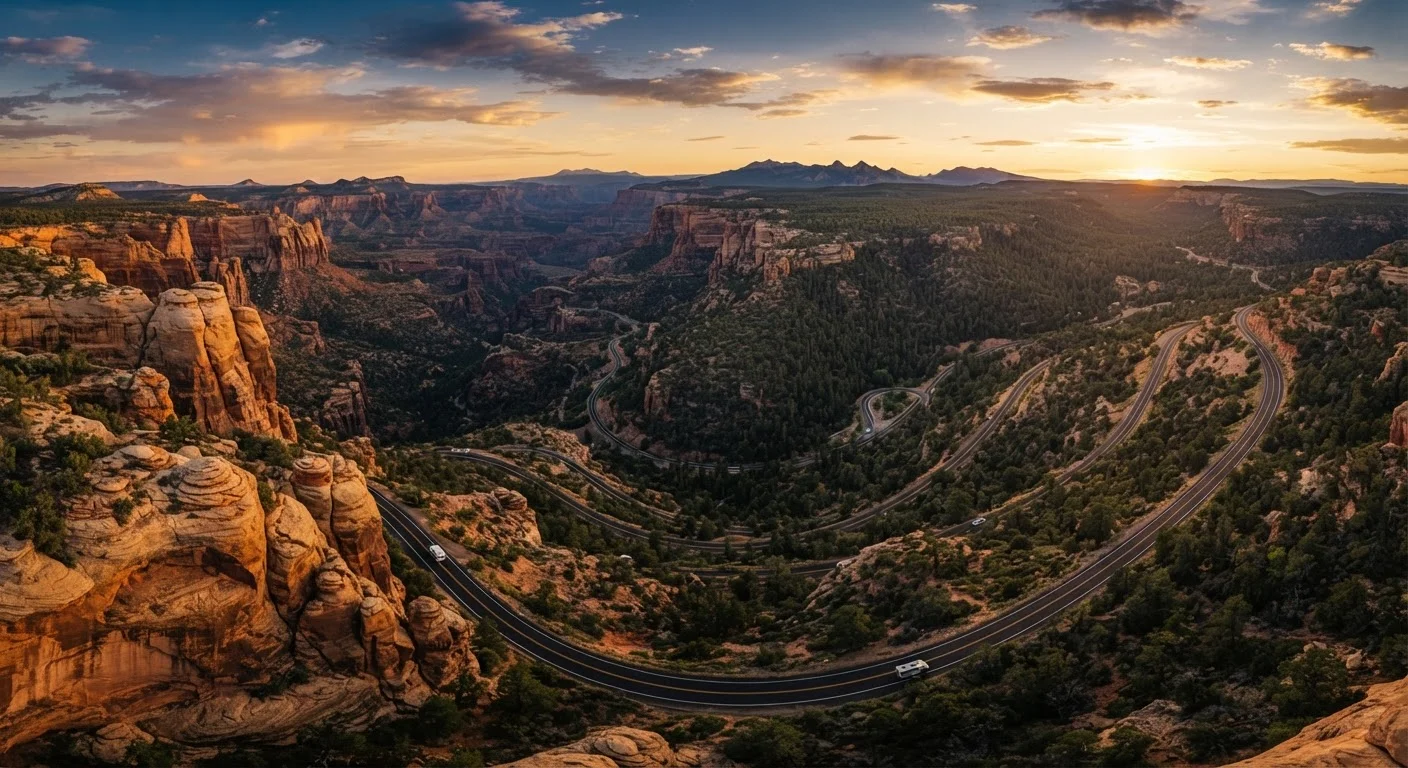
Zion's signature hikes demand commitment. The Narrows sends you wading up a river carved through slot canyon walls. Angels Landing involves chain-assisted climbing along exposed ridgelines with dramatic drop-offs on both sides (a permit is now required for the final section). Even shorter trails like Emerald Pools build quickly in elevation.
For travelers who want to feel genuinely challenged - and rewarded - Zion delivers consistently. The canyon's scale is hard to process until you're standing inside it. The park gets extremely busy, especially in summer, so the free shuttle system is your main tool for managing the crowds within the canyon corridor. Arrive early, plan your permit needs in advance, and build in recovery time.
Zion's chain-assisted climbs and slot canyon hikes reward travelers who want a genuine physical challenge.
Acadia National Park - Best for the Leisurely Sightseer
Acadia on Maine's Mount Desert Island is one of the few national parks where a leisurely drive, a good meal, and a sunrise can constitute a near-perfect day. The Park Loop Road winds past ocean cliffs, cobblestone beaches, and dense spruce forest. Cadillac Mountain, accessible by car most of the year, is one of the first places in the continental US to see the sunrise.
The park's 45-mile network of historic carriage roads - crushed gravel paths closed to motor vehicles - offers easy cycling and walking without requiring strenuous hiking. The nearby town of Bar Harbor adds comfortable lodging, restaurants, and lobster shacks. It's a park that rewards slow travel and unhurried mornings.
Acadia's carriage roads and scenic drives make it one of the most rewarding parks for unhurried exploration.
Olympic National Park - Best for the Curious Naturalist
Olympic on Washington's Olympic Peninsula is genuinely unusual: it contains a temperate rainforest, a rugged Pacific coastline, and glaciated mountain peaks - all within the same park boundary. That ecological diversity makes it endlessly interesting for travelers motivated by learning and discovery rather than ticking off single iconic landmarks.
The Hoh Rain Forest, with its Hall of Mosses and mossy big-leaf maples, feels like something from another continent. Hurricane Ridge opens up subalpine meadows with views of the Olympic Mountains. Rialto Beach and Ruby Beach offer dramatic driftwood-strewn coastline. The park rewards visitors who enjoy moving between completely different environments in a single trip.
Olympic's rainforest, mountains, and coastline make it the most ecologically varied park in the Lower 48.
Big Bend National Park - Best for the True Solitude Seeker
Big Bend in southwest Texas is remote in ways that feel almost old-fashioned. The nearest sizable city is several hours away. Cell service is minimal inside the park. The landscape - Chihuahuan Desert, Rio Grande canyon, and the Chisos Mountains - is vast, stark, and stunning in ways that take time to appreciate.
That remoteness filters out casual visitors and leaves the park unusually quiet. The night skies are among the darkest in the lower 48 states, and the park holds an International Dark Sky Park designation. Solo travelers and small groups who don't need amenities nearby often describe Big Bend as a reset experience unlike anything else in the system. Plan fuel, water, and supplies carefully before arrival.
Big Bend's extreme remoteness and dark skies make it the country's ultimate park for deliberate solitude.
Rocky Mountain National Park - Best for the First-Time Park Visitor
Rocky Mountain National Park in Colorado offers an ideal introduction to the national park experience. Trail Ridge Road, one of the highest paved roads in the country, climbs above treeline and puts visitors in direct contact with alpine tundra without requiring any hiking at all. The pull-offs are frequent, the wildlife viewing (elk, marmots, bighorn sheep) is reliably good, and the park's visitor centers do an excellent job orienting newcomers.
For those ready to hike, trails range from gentle lake walks to summit climbs. The town of Estes Park on the east entrance provides lodging, food, and services. It's also worth noting that the park uses a timed-entry permit system during peak summer months - check the National Park Service website well in advance.
Trail Ridge Road puts first-time visitors above treeline without requiring a single step of strenuous hiking.
Not Every Park Fits One Category Neatly
The pairings below reflect a park's strongest characteristics for a given traveler type - not a limit on who can enjoy them. A family can have a wonderful time at Big Bend with the right preparation, and solo adventurers find plenty to love in the Smokies. Think of these as informed starting points rather than strict rules.
Plan Carefully, Then Let the Parks Surprise You
Whatever your travel personality, the national parks reward preparation. Timed-entry permits have become standard at some of the most popular destinations, and campsite availability at peak season can disappear months in advance. If the iconic parks feel too crowded or logistically complicated, state parks offer compelling alternatives with far fewer crowds and often easier access.
For those weighing regions rather than individual parks, the Mountain West versus Pacific Northwest comparison can help you think through the broader landscape differences. And if the Smokies are on your list, read an honest breakdown of what the experience actually looks like before committing. The parks are genuinely extraordinary - matching the right one to your style is what turns a good trip into a memorable one.
The content on this site is for informational purposes only and is not a substitute for professional advice. Always consult a qualified professional for guidance specific to your situation.