

Why Cultural Fluency Matters More Than You Think
Americans travel with the best intentions - but good intentions don't automatically translate across cultures. A warm smile, an enthusiastic tip, or a friendly wave can land very differently depending on where you are in the world. These aren't exotic edge cases; they're everyday social situations where American defaults quietly create friction.
If you're preparing for your first time overseas, the first international trip essentials article is a useful foundation. But cultural norms deserve their own focused attention - they shape every interaction from the moment you land. Here are the customs that consistently catch U.S. travelers off guard.
Tipping Is Not Universal - and Can Even Cause Offense
In the United States, tipping 18-20% at restaurants is standard practice and an important part of service workers' income. Many Americans carry that habit abroad automatically - but in countries like Japan, South Korea, and much of Western Europe, tipping can be seen as condescending or even insulting. In Japan particularly, leaving money on the table may prompt staff to chase you down to return it.
In other regions - parts of Latin America, Southeast Asia, and Eastern Europe - tipping is appreciated but not expected at the American scale. Research the norms for each specific country rather than applying one global rule.
In Japan, leaving a tip may prompt staff to chase you down and return it.
Dress Codes at Religious and Cultural Sites Are Non-Negotiable
In much of Europe, the Middle East, South Asia, and Southeast Asia, entering a mosque, temple, church, or shrine in shorts and a sleeveless top will get you turned away at the door - or draw sharp looks from locals. This isn't a loose suggestion; it's a sign of genuine respect for the communities who worship there.
Carry a lightweight scarf or wrap that can cover shoulders and knees on short notice. Many sites provide coverings at the entrance, but relying on that isn't always reliable. When visiting religious destinations, dress modestly by default and adjust from there.
Dress modestly by default at religious sites - turning up underprepared can mean being turned away entirely.
Greetings Vary From Cheek Kisses to Deep Bows
Americans tend to default to a firm handshake or an informal "Hey!" - but greeting customs worldwide range from double cheek kisses (common in France, Spain, and parts of Latin America) to slight bows (Japan, South Korea) to a simple nod or palm-to-chest gesture (common in parts of the Middle East between men and women). Initiating the wrong greeting can cause genuine awkwardness.
The safest approach in a new country: pause, observe, and follow the lead of the local person you're greeting. Most people are forgiving of foreign visitors who are clearly trying - but showing awareness that differences exist is itself a form of respect.
Pause and follow the local's lead - showing awareness of greeting differences signals genuine respect.
Restaurants Don't Work the Way You Expect
American dining culture prizes speed and attentive service. In many European countries - France, Spain, Italy - meals are meant to be long, unhurried affairs. Asking for the check immediately after eating, or flagging down a server every few minutes, can read as rude or impatient. In these cultures, the table is yours for the evening; the bill comes when you ask for it.
In other parts of the world, the dynamic shifts again. In some East Asian countries, communal ordering and shared plates are the norm rather than individual entrées. Understanding the structure of a meal before you sit down prevents confusion and miscommunication.
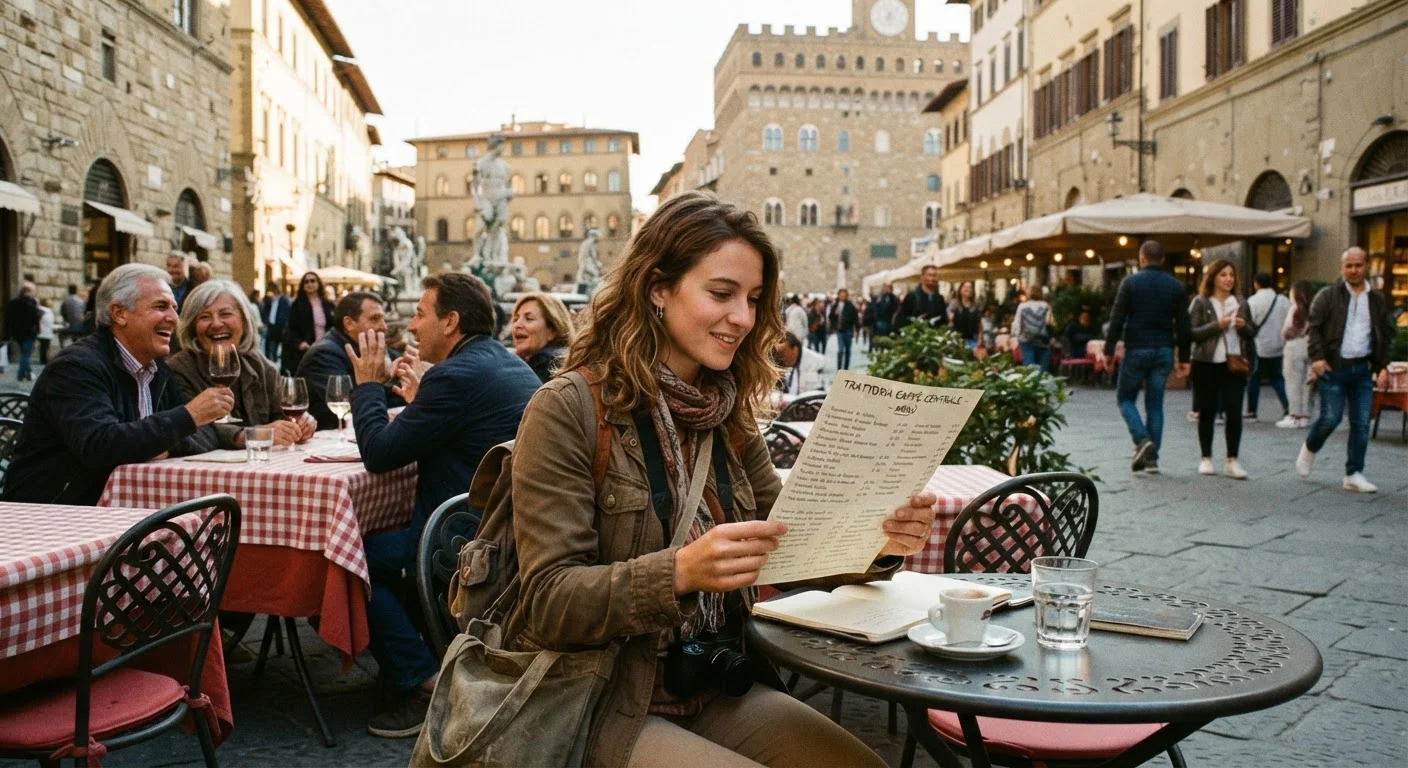
In much of Europe, the table is yours for the evening - the check arrives only when you ask.
Volume and Personal Space Are Cultural Variables
Americans are, broadly speaking, louder in public than many other cultures - and this registers noticeably on trains, in museums, at markets, and in restaurants abroad. In countries like Germany, Switzerland, the Netherlands, and Japan, speaking at a conversational American volume in quiet public spaces can draw visible discomfort from those around you.
Personal space norms also differ dramatically. In parts of the Middle East and South Asia, it's common for same-gender friends to walk arm-in-arm or stand very close during conversation. Meanwhile, in Nordic countries, a larger physical buffer is the social norm. Neither is wrong - they're simply different defaults.
Americans often underestimate how their conversational volume lands in quieter public cultures.
Punctuality Means Different Things in Different Places
In the U.S. and Northern Europe, arriving on time - or slightly early - is a sign of respect. In many parts of Latin America, the Middle East, and sub-Saharan Africa, social gatherings operate on a more flexible timeline, and arriving precisely "on time" to a dinner invitation may mean you arrive before your host is ready. This is not a lack of respect; it reflects a genuinely different cultural relationship with time.
For business meetings, punctuality expectations tend to align more closely with international norms, but even then, researching local business culture before a trip is worthwhile. The State Department and country-specific travel resources offer cultural orientation guides worth reviewing in advance.
Arriving exactly on time to a social dinner in some cultures may mean arriving before your host is ready.
Travel Smarter by Respecting Local Rhythms
Navigating cultural differences isn't about memorizing an exhaustive rulebook - it's about developing genuine curiosity and a willingness to observe before acting. Watch how locals greet each other before extending your hand. Notice whether people around you are speaking loudly or quietly before launching into conversation. Let the restaurant set the pace rather than flagging down servers every few minutes.
Do a Quick Cultural Briefing Before You Fly
Spending 30 minutes with a reputable country guide - whether from a library, a tourism board, or a cultural orientation resource - can save you from a dozen awkward moments. Focus on greetings, dress, dining, and tipping as your core four. These cover the vast majority of everyday social interactions you'll encounter as a visitor.
A little research before departure goes a long way. Country-specific travel advisories from the U.S. State Department often include cultural notes alongside safety information - always verify entry requirements and local laws through official sources before you travel. For related logistics, understanding currency exchange abroad can help you handle money situations without accidentally offending anyone at the register either.
The content on this site is for informational purposes only and is not a substitute for professional advice. Always consult a qualified professional for guidance specific to your situation.