

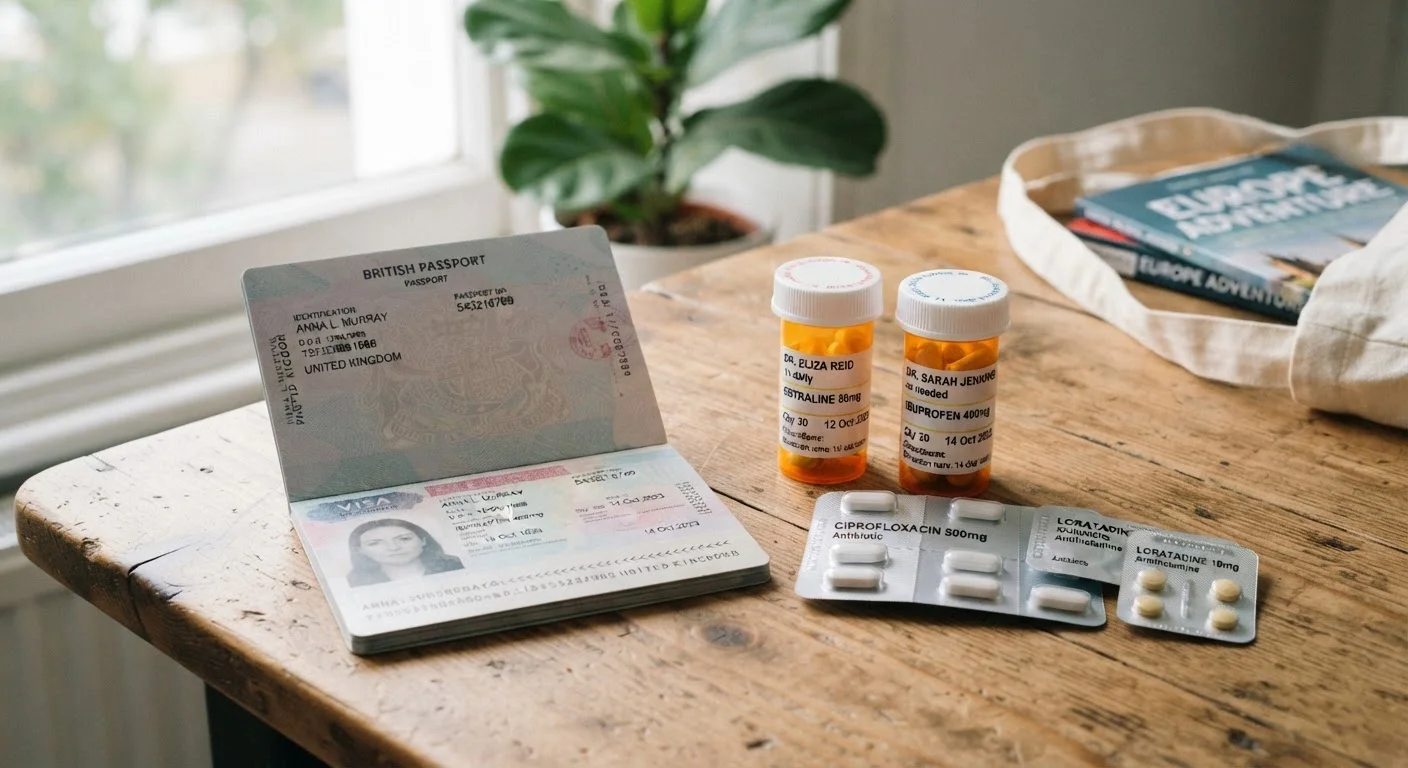
Why Medication Rules Vary So Dramatically by Country
What's a routine prescription in your medicine cabinet can become a serious legal problem the moment you cross an international border. Countries maintain independent pharmaceutical and drug control frameworks, meaning a medication approved by the U.S. Food and Drug Administration carries no automatic standing abroad. Japan, for example, restricts several common decongestants and stimulants. The United Arab Emirates prohibits a number of opioid-based pain relievers and certain anxiety medications. Some countries in Southeast Asia impose strict limits on the quantity of any prescription drug a traveler may import.
These rules aren't arbitrary - they reflect each nation's health regulations, drug treaties, and enforcement priorities. As a traveler, it's your responsibility to understand them before you pack. See our first-time international travel guide for a broader look at what Americans often don't realize until they're at the airport.
Controlled Substances Require Extra Caution
Medications classified as controlled substances in the U.S. - including opioids, benzodiazepines, and certain ADHD drugs - often face the strictest scrutiny abroad. Several countries in Asia, the Middle East, and Eastern Europe prohibit some of these medications outright or require advance import permits from their health ministry. Never assume that a valid U.S. prescription is sufficient documentation on its own. Always verify with the destination country's official sources well in advance of travel.
Essential Documentation to Carry
Good paperwork is your first and most important layer of protection. Before any international trip, gather the following:
- Original pharmacy-labeled containers - these display your name, prescriber, dosage, and dispensing date. Don't transfer pills into unmarked bottles or travel cases without also bringing the original packaging.
- A signed physician's letter - ask your doctor to write a brief letter on practice letterhead stating your diagnosis (in general terms), the medication name and dosage, and the medical necessity for carrying it. If possible, request a version translated into the destination country's language.
- Copies of your actual prescriptions - keep both a digital version (secured in cloud storage or email) and a physical copy separate from your bag.
For controlled substances - including many opioids, benzodiazepines, and ADHD medications - some countries require advance import permits issued by their health ministry. This process can take weeks, so start early. The pre-departure checklist covers this and other documentation steps worth confirming before you fly.
Split Your Supply Between Bags
If you're traveling with a critical daily medication, consider splitting your supply between your carry-on and checked luggage - or keeping everything carry-on if the medication requires refrigeration. If one bag is lost or delayed, you won't be left without your medication. Always check airline and TSA rules for liquids, injectables, and temperature-sensitive medications before you fly.
How to Verify Rules for Your Destination
No travel blog - including this one - can substitute for official sources. Rules change, and an outdated list can lead you into trouble. Here's how to research reliably:
- Contact the embassy or consulate of your destination country in the United States. Many publish medication import guidelines on their websites; others respond to email or phone inquiries.
- Check the U.S. State Department's country information pages at travel.state.gov, which often flag known medication restrictions.
- Review guidance from the destination country's health ministry directly, where English-language pages are available.
It's also worth reviewing entry requirements including vaccinations at the same time, since some destinations bundle health documentation checks together at arrival. Give yourself at least four to six weeks before departure to complete this research and obtain any required permits.
100+
Countries with unique drug import restrictions
According to the International Narcotics Control Board, more than 100 countries maintain distinct schedules and import rules for controlled substances that differ from U.S. classifications.
30-90 days
Typical personal-use supply limit recognized by customs agencies
Many countries permit travelers to bring prescription medications for personal use within a 30- to 90-day supply window; quantities beyond that may require additional documentation or permits.
At Customs: What to Expect and How to Handle It
When passing through customs, transparency is always the right policy. Declare medications when asked - and when in doubt, declare anyway. Attempting to conceal prescription drugs, even ones you consider harmless, can result in confiscation, fines, detention, or worse depending on the country.
Customs officers generally look for three things: whether the medication is permitted, whether the quantity is reasonable for personal use (typically a 30- to 90-day supply), and whether you have supporting documentation. Having your physician's letter and labeled containers readily accessible - not buried at the bottom of a checked bag - speeds up the process considerably.
When you return home, U.S. Customs and Border Protection (CBP) also requires honesty. Medications purchased abroad may be subject to additional scrutiny. Our guide to CBP customs declarations explains what Americans are required to report on re-entry forms.
This article provides general travel information and is not a substitute for medical or legal advice. Always consult your physician before traveling with prescription medications, and verify current regulations with the relevant embassy or official government sources before your trip.
The content on this site is for informational purposes only and is not a substitute for professional advice. Always consult a qualified professional for guidance specific to your situation.