

Start here
Why Maintenance Comes Before Renovation
Learn the pitfalls
The Most Common Mistakes New Homeowners Make
Take action
Your Home's Core Systems: What to Inspect First
Build the habit
Building a Maintenance Habit That Sticks
Know your limits
When to Call a Professional
Why Maintenance Comes Before Renovation
The excitement of owning a home often translates directly into renovation wish lists - updated kitchens, fresh bathrooms, new flooring. But most experienced homeowners will tell you that the real foundation of a well-kept house isn't aesthetics. It's understanding how the home works and staying ahead of what can go wrong.
If you're still navigating the home-buying process, it helps to know that a purchase inspection is only a snapshot. Once you move in, ongoing maintenance becomes your responsibility - and neglecting it is far more expensive than any renovation delay.
Cosmetic upgrades add value on the surface. Maintenance preserves the value that's already there. Renovating over unaddressed problems - a slow roof leak, deteriorating caulk, a struggling HVAC - often means tearing out new work later at significant cost.
Deferred maintenance
Repairs or upkeep tasks that have been postponed, often leading to larger, more expensive problems over time.
HVAC
Stands for Heating, Ventilation, and Air Conditioning - the system that controls your home's temperature and air quality.
GFCI outlet
A Ground Fault Circuit Interrupter outlet that cuts power automatically if it detects an electrical imbalance, protecting against shock. Identified by the small reset and test buttons on its face.
Flashing
Thin strips of metal installed around roof penetrations (chimneys, vents, skylights) to prevent water from seeping in at the joints.
Foundation grading
The slope of the soil around your home's foundation. Proper grading directs rainwater away from the house to prevent water intrusion and structural damage.
Maintenance log
A written or digital record of all home maintenance tasks completed, including dates and service providers. Useful for tracking patterns and documenting the home's care history.
The Most Common Mistakes New Homeowners Make
First-time homeowners tend to share a predictable set of blind spots. Recognizing them early can save thousands of dollars and prevent serious safety issues.
- Ignoring the inspection report. Most buyers receive a multi-page inspection report and file it away. That report is actually your roadmap - especially the items flagged as deferred maintenance or monitoring-required.
- Skipping seasonal tasks. Gutters clogged with leaves cause water to back up under roofing materials. Dryer vents packed with lint are a documented fire hazard. These take minutes to address and months to cause damage - which means the connection isn't always obvious until the bill arrives.
- Assuming newer means problem-free. A home built five years ago can still have drainage grading issues, inadequate attic ventilation, or settling around windows. Age alone doesn't determine maintenance needs.
- Mistaking cosmetic damage for structural damage - and vice versa. A hairline crack in drywall is usually settling. A crack running diagonally from a door corner or window frame may indicate foundation movement. Knowing the difference matters. See our guide on what to check before opening a wall if you're ever unsure what's behind a surface.
Your Home's Core Systems: What to Inspect First
Think of your home as a collection of interconnected systems. When any one fails, others are often affected. Here's what deserves your attention in the first months of ownership:
- HVAC (Heating, Ventilation & Air Conditioning)
- Replace filters every 1-3 months depending on household conditions. Schedule a professional service appointment annually - ideally before peak heating or cooling season. Note the age of the unit; most have a service lifespan of 15-20 years.
- Plumbing
- Locate your main water shutoff valve immediately - before you need it in an emergency. Check under sinks for slow drips. Look for water stains on ceilings that suggest a leak above. Test water pressure; unusually high pressure stresses pipes over time.
- Roof and Gutters
- Inspect gutters each fall and spring. From the ground, look for missing or curling shingles. Flashing (the metal strips around chimneys and vents) is a common entry point for water when it separates or corrodes.
- Electrical
- Test GFCI outlets (the ones with reset buttons, typically in kitchens, bathrooms, and garages) monthly. Know where your main panel is and that breakers are labeled correctly. Never attempt panel work yourself - always call a licensed electrician.
- Foundation and Drainage
- Water should drain away from your home's foundation, not toward it. Check that soil grading slopes away from the house and that downspouts extend several feet from the exterior wall.
Start With a Home Binder
Gather your inspection report, appliance manuals, warranty documents, and utility shutoff locations into a single binder or digital folder. This simple step saves significant time during emergencies and routine service calls. Update it whenever you complete a repair, replacement, or upgrade.
Building a Maintenance Habit That Sticks
The homeowners who spend the least on emergency repairs aren't necessarily handier than everyone else - they're more organized. A simple seasonal checklist, reviewed four times a year, covers the vast majority of recurring tasks.
Keep a home maintenance log: a notebook or digital document that records when filters were changed, when the HVAC was last serviced, when caulk was reapplied. This record becomes invaluable when selling the home or filing an insurance claim. Just as first-year car owners benefit from tracking service records, home maintenance documentation pays dividends over time.
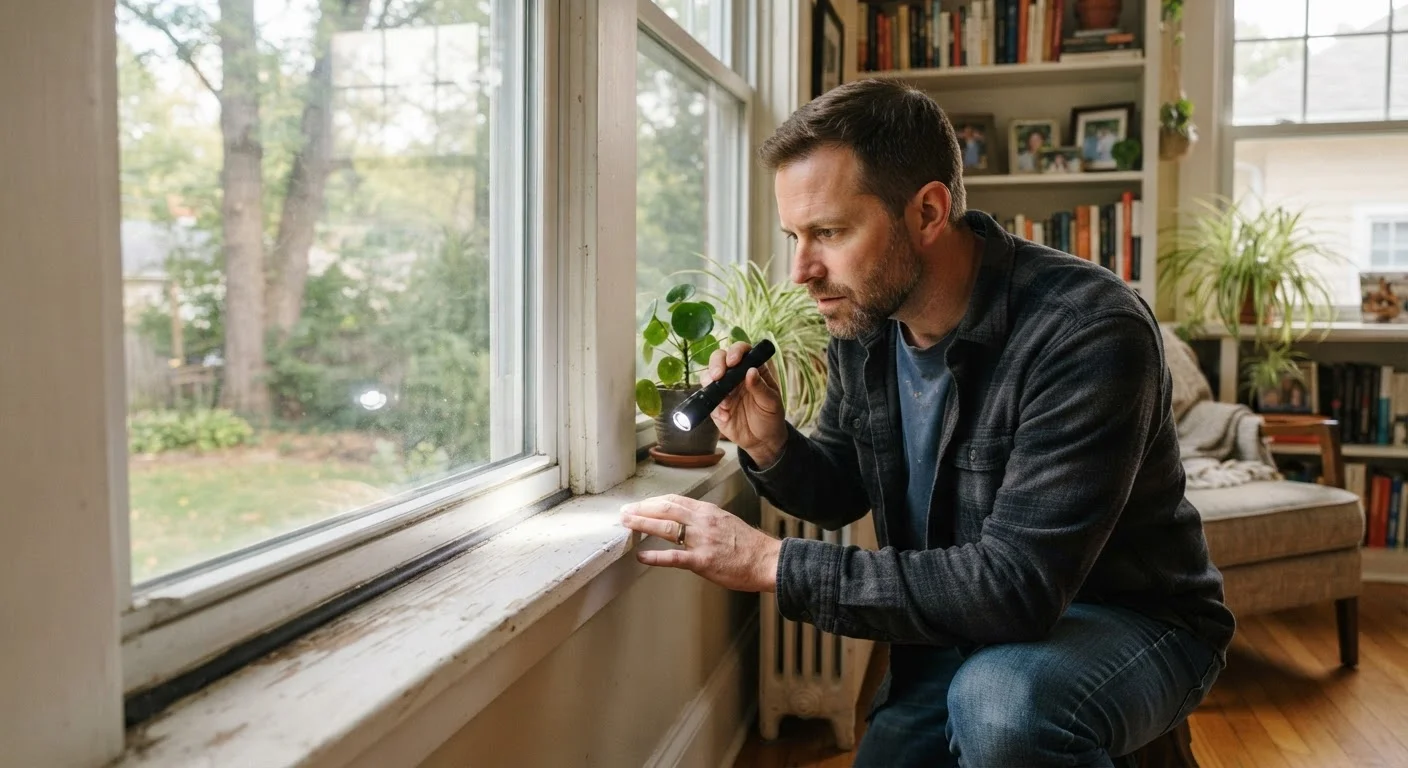
Prioritize by risk, not by visibility. A stained ceiling gets attention; a slowly separating seal around a window frame often doesn't - until moisture damage reaches the wall cavity. Train yourself to check the less obvious places regularly.
When to Call a Professional
DIY enthusiasm is an asset, but knowing where it ends is equally important. Certain work - not only for quality, but for safety and legal compliance - belongs in licensed hands.
In most jurisdictions, work involving electrical panels, gas lines, structural modifications, and plumbing connections to the main line requires permits and licensed contractors. Unpermitted work can complicate home sales, void insurance coverage, and create genuine safety risks. Always verify local requirements with your municipality before starting any significant project.
When you're ready to move beyond maintenance into actual renovations, take time to understand the scope and disruption involved. Our guide on planning and executing a home renovation walks through the full process - and our article on projects that disrupt daily life more than expected helps set realistic expectations before work begins.
The goal isn't to avoid renovation - it's to renovate from a position of knowledge. A home you understand is a home you can confidently improve.
Frequently Asked Questions
Ideally, within the first few weeks of move-in. Familiarize yourself with shutoff valves, the electrical panel, and the HVAC system before anything breaks. Starting a maintenance log early also makes future troubleshooting much easier.
Your HVAC system and water heater are top priorities because failures are both costly and disruptive. The roof and foundation are equally critical since damage to either can affect the entire structure. A post-purchase home inspection report is a useful starting checklist.
Many routine tasks - changing filters, caulking windows, testing smoke detectors - are safe DIY jobs. However, anything involving electrical panels, gas lines, structural elements, or load-bearing walls should always be handled by a licensed professional.
A commonly cited general guideline is setting aside roughly 1-2% of your home's purchase price annually for maintenance and repairs, though actual costs vary widely by home age, size, and condition. This is general financial information - consult a financial advisor for guidance specific to your situation.
Gutter cleaning, dryer vent clearing, checking weatherstripping, testing GFCI outlets, and inspecting caulk around tubs and sinks are among the most frequently skipped. These are inexpensive to maintain but costly to ignore.
No - home warranties typically cover system and appliance failures under specific conditions and often exclude items with deferred maintenance. Regular upkeep is still your responsibility and is the best way to keep warranty claims straightforward.
The content on this site is for informational purposes only and is not a substitute for professional advice. Always consult a qualified professional for guidance specific to your situation.