

Why Your First Reaction Is the Most Dangerous One
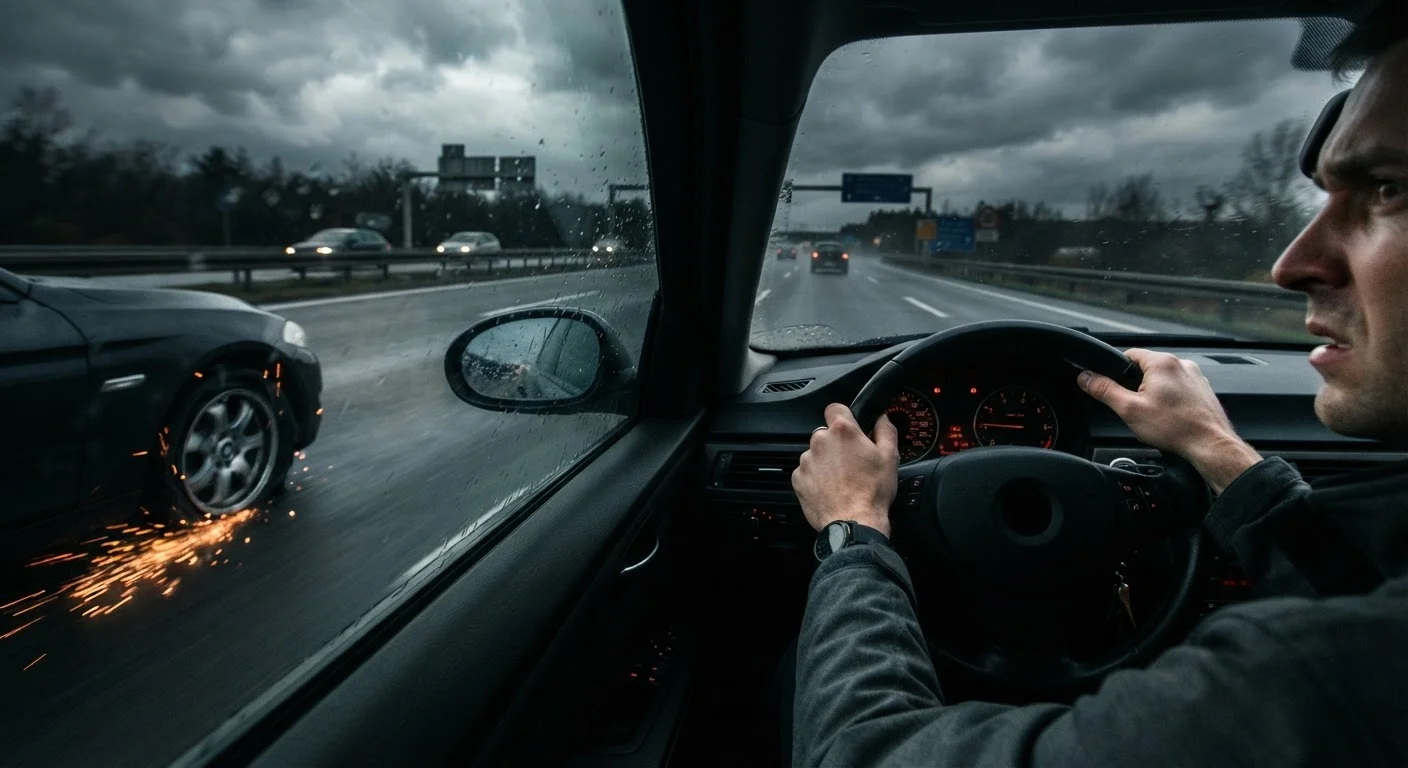
When a tire blows or brakes suddenly fail, most drivers instinctively do the wrong thing - they panic, stomp the brake, or jerk the steering wheel. These reactions often make the situation significantly worse. Understanding why your instincts can work against you is the foundation of effective emergency driving.
Vehicle emergencies are covered in defensive driving frameworks as high-consequence, low-frequency events - meaning they're rare enough that drivers never build reflexive habits around them. That's exactly why deliberate mental preparation matters. Reading through these steps and visualizing yourself following them primes your brain to respond correctly when seconds count.
What you will need
What to Do in Each Emergency Scenario
Each type of sudden loss of control requires a different response. Applying the wrong technique - for example, treating a brake failure like a skid - can escalate danger. Review the steps below for each scenario so you can match the right response to the right situation.
Tire Blowout - Maintain Control, Don't Brake
When a tire blows, you'll hear a loud bang or rapid flapping sound, and the vehicle will pull hard toward the side with the failed tire. Your immediate priorities:
- Keep a firm grip on the steering wheel with both hands. Do not fight the pull aggressively - resist it steadily.
- Briefly maintain or gently apply the accelerator for one to two seconds. This counterintuitive step keeps the vehicle stable while you regain directional control.
- Gradually ease off the throttle and let the vehicle slow naturally. Do not apply the brake suddenly.
- Steer smoothly toward the shoulder or a safe stopping area.
- Once below approximately 30 mph, apply the brake gently and bring the vehicle to a stop off the roadway.
Brake Failure - Use Alternative Stopping Methods
Total brake failure is uncommon in modern vehicles with dual-circuit brake systems, but partial failure - or a sudden spongy pedal - does occur. If you press the brake and feel little or no resistance:
- Pump the brake pedal rapidly several times. In vehicles without ABS, this may restore some hydraulic pressure.
- Downshift progressively through lower gears (whether automatic or manual) to use engine braking to reduce speed.
- Gradually apply the emergency/parking brake. Pull or press it slowly and steadily - not all at once - to avoid locking the rear wheels and spinning the vehicle.
- Look ahead for a safe escape route: a wide shoulder, uphill grade, open lot, or runaway truck ramp if available.
- Use roadside friction as a last resort - brushing against a guardrail or curb can help bleed speed, though this risks loss of steering.
Skid - Steer Into the Slide, Ease Off Power
Skids occur when tires lose traction, usually due to wet or icy roads, excessive speed in a curve, or sudden input. There are two main types:
- Oversteer (rear skid): The rear of the vehicle slides outward. Steer in the direction the rear is sliding (into the skid) and release the accelerator gradually. Avoid braking.
- Understeer (front skid): The front tires lose grip and the vehicle continues straight despite steering input. Ease off the accelerator, avoid sharp steering input, and allow speed to reduce until traction returns.
In both cases: smooth, measured inputs - not sharp, panicked corrections - are what restore control. Once traction returns, straighten the wheel progressively.
Practice the Response Before You Need It
Consider enrolling in an advanced or emergency driving course offered by driving schools or defensive driving programs. Hands-on skid pad and low-traction exercises build genuine muscle memory that reading alone cannot replicate. Many courses are available across the US for everyday drivers, not just professionals.
Prevention: Reducing the Odds Before You Drive
While knowing how to respond is critical, reducing the likelihood of these emergencies is equally important. Most blowouts are linked to tire underinflation, overloading, or significant tread wear - all of which are preventable through routine checks. The tire care myths most drivers believe - like assuming a tire looks fine because it isn't visibly flat - can quietly set the stage for a highway emergency.
Brake failure, though less common than blowouts, is often preceded by warning signs: a spongy pedal, pulling to one side under braking, or unusual grinding sounds. These signals should never be ignored. Running a thorough vehicle check before a long drive - covering tires, fluids, and brakes - is one of the most effective things a driver can do. The pre-trip safety checklist most drivers skip covers exactly these items.
It's also worth examining everyday habits. Some behaviors that feel safe - like following closely at highway speeds or neglecting to scan far ahead - reduce the time and space available to respond when something goes wrong. The driving habits that quietly raise risk article explores how normalized behaviors contribute to emergencies drivers believe they couldn't have anticipated.
Don't Ignore Pre-Emergency Warning Signs
Vibration at highway speeds, uneven tire wear, pulling under braking, and a low or spongy brake pedal are all signals that warrant immediate inspection by a qualified mechanic. Dismissing these signs as minor inconveniences is one of the most common factors preceding vehicle emergencies. Consult a licensed mechanic if you notice any of these symptoms - do not wait for a scheduled service interval.
The content on this site is for informational purposes only and is not a substitute for professional advice. Always consult a qualified professional for guidance specific to your situation.