

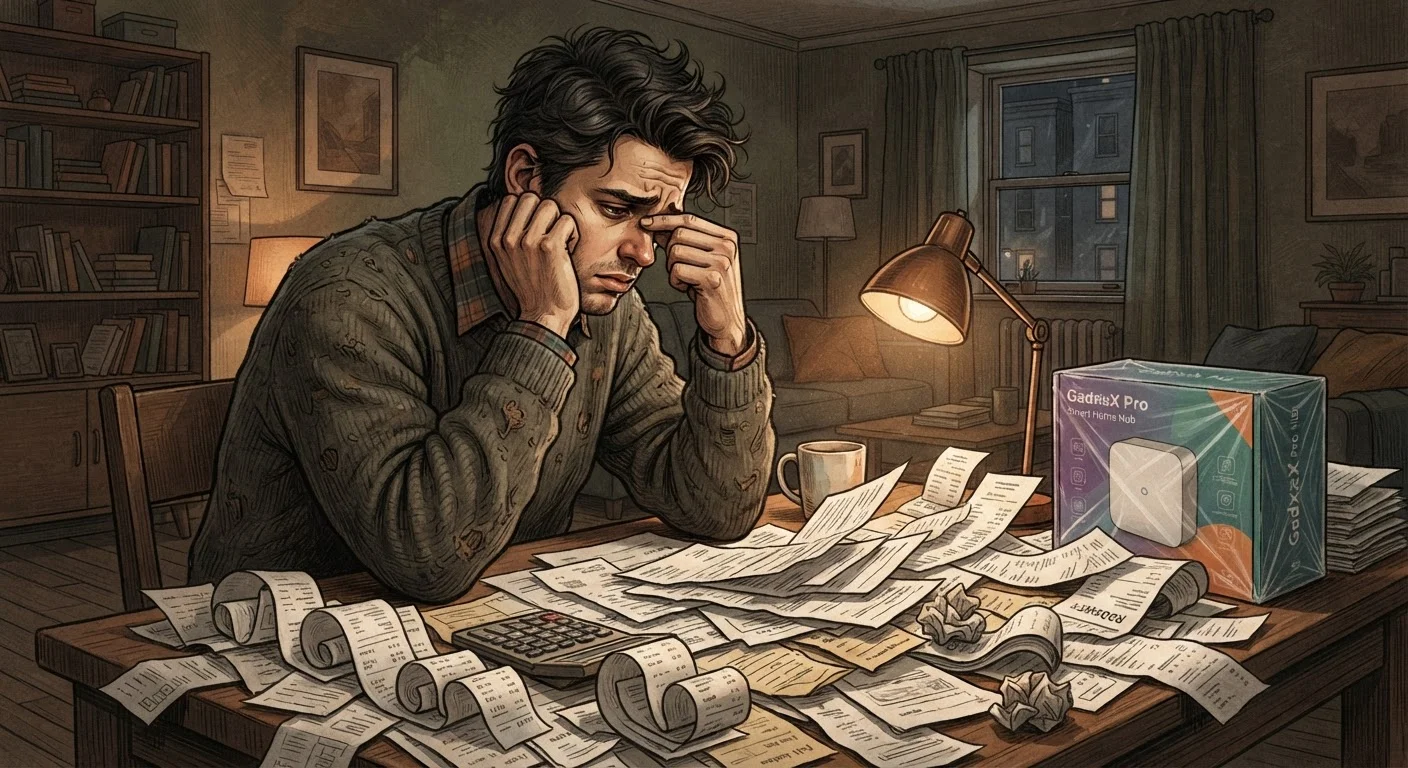
How the Sunk Cost Trap Works
Imagine you've paid for a gym membership but stopped going after the first month. Rather than simply acknowledging the money is gone, many people force themselves to go - not because they enjoy it, but because they've already paid. The logic feels responsible, but it isn't: the membership fee is spent regardless of whether you set foot in the building again.
This is the sunk cost fallacy in action. It's the belief that past spending creates an obligation to continue - a mental accounting error that leads people to throw good resources after bad. The core problem is treating unrecoverable costs as if they're still on the table.
Behavioral economists describe this pattern as closely linked to loss aversion - the well-documented human tendency to feel losses more sharply than equivalent gains. When we've already spent money, abandoning the path feels like an additional loss, even when walking away is the more rational choice.
This Is a Bias, Not a Character Flaw
The sunk cost fallacy is a well-documented feature of human cognition - not a sign of poor financial character. Research consistently shows that even financially sophisticated individuals exhibit this pattern. Recognizing it is the starting point; no one is immune simply by knowing it exists.
Why 'Getting Your Money's Worth' Is Often a Rationalization
The phrase 'I want to get my money's worth' sounds like sensible frugality. In some contexts, it is - using a product you've paid for, for instance, makes obvious sense. But when it drives you toward additional spending or continued loss, it's no longer frugality: it's a rationalization.
Common examples include:
- Continuing to repair an aging appliance repeatedly because of the original purchase price, even when replacement is more cost-effective
- Finishing a prepaid meal plan that's not working for your household to avoid 'wasting' the subscription fee
- Keeping a streaming service you no longer use because you paid for the annual plan
In each case, the framing conflates the original spending (which is fixed and unchangeable) with the decision being made right now. The question that actually matters is: does continuing make sense from this point forward?
This connects directly to how thoughtful spenders evaluate trade-offs - by grounding decisions in current and future value, not past investment.
Try the 'Fresh Start' Test
When you notice yourself spending more to justify a previous purchase, pause and ask: 'If I were deciding this for the first time today - with no prior spending - what would I choose?' This single question is one of the most practical ways to interrupt sunk cost reasoning before it compounds a loss.
Real Situations Where This Bias Shows Up
The sunk cost fallacy isn't limited to big financial decisions. It surfaces constantly in everyday consumer life:
A homeowner pays $800 to repair a car, then discovers the transmission also needs $2,000 in work. They proceed with the repair largely because of the $800 already spent.
Someone pays for a non-refundable concert ticket but feels unwell on the day of the event. They attend anyway to avoid 'wasting' the ticket price.
A consumer enrolls in an online course, loses interest after three sessions, but continues through all 40 lessons because they paid for it.
A family continues patronizing a restaurant they no longer enjoy because they bought a gift card there last year.
Understanding the psychology behind spending decisions more broadly helps reveal why these patterns feel so compelling in the moment - they tap into the same emotional circuitry that drives many financial missteps. Similarly, some of these habits are reinforced by spending myths that sound like wisdom but don't hold up under scrutiny.
A Better Way to Frame Your Next Decision
The most effective antidote to sunk cost thinking is a deliberate reframe. Before deciding whether to continue spending on something, try asking: "If I hadn't already paid anything, would I choose to start this today?" If the honest answer is no, that's a strong signal that sunk cost logic is doing the driving.
A few additional questions worth applying:
- What are the real future costs and benefits from this point? Ignore what's been spent. Evaluate only what lies ahead.
- Am I continuing out of genuine value - or guilt? Guilt about past spending is understandable, but it's not a financial strategy.
- Would a neutral third party make the same choice? Imagining an objective observer can help strip away the emotional attachment to prior spending.
It's also worth separating sunk cost decisions from situations where additional spending is genuinely warranted. As our guide on when paying more upfront saves money long-term explains, future value and durability sometimes justify continued investment - but that analysis must stand on its own merits, not on the desire to justify what's already gone.
Building this kind of critical thinking into everyday decisions is a foundational element of sound financial habits - one that supports building savings and managing debt wisely over time. And if broader financial planning feels out of reach, examining common budgeting myths may reveal that the barriers are smaller than they appear.
This article is for general informational and educational purposes only and does not constitute financial advice. Readers should consult a qualified financial professional for guidance specific to their circumstances.
Frequently Asked Questions
A sunk cost is money you've already spent that you can't get back, regardless of what you decide to do next. Because it's unrecoverable, it generally shouldn't factor into future choices - though our natural instincts often lead us to let it influence us anyway.
In most financial and consumer contexts, yes - it leads people to throw good money after bad. However, distinguishing a true sunk cost trap from a legitimate long-term investment decision requires honest assessment of whether future value actually exists.
The most effective technique is to reframe the question: instead of 'How much have I already spent?' ask 'If I were starting fresh today, would I choose to continue?' This shifts focus from past losses to future outcomes. Awareness of the bias is itself the first line of defense.
Yes. People frequently continue watching a movie they don't enjoy, staying in a job that isn't working, or completing a course they've lost interest in - purely because of time already invested. The same logic applies: past time spent is unrecoverable and shouldn't dictate future choices.
Sometimes additional spending is genuinely justified - for example, a necessary repair that restores real usable value to an item. The key distinction is whether the future expense creates actual future benefit, not simply whether it makes you feel better about what you already spent.
The content on this site is for informational purposes only and is not a substitute for professional advice. Always consult a qualified professional for guidance specific to your situation.