

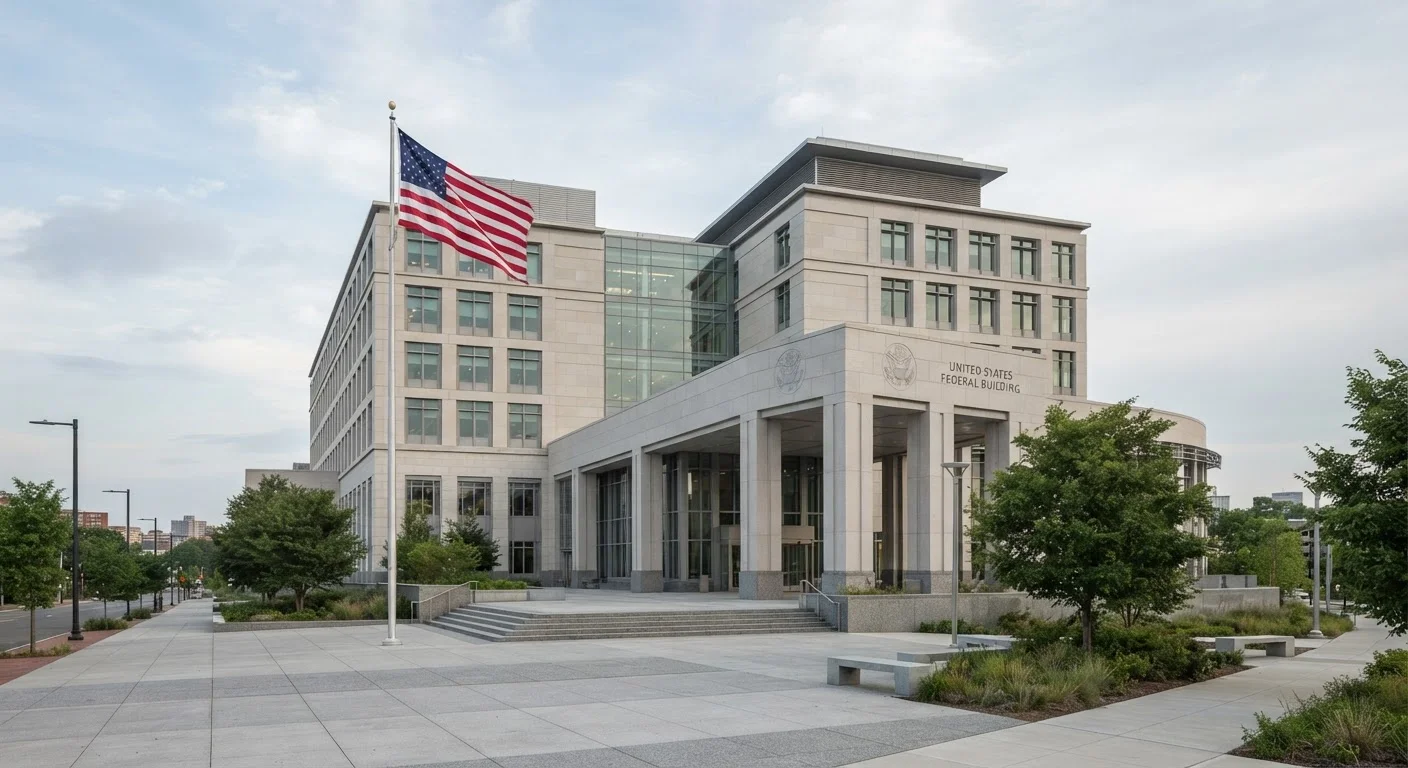
What the FTC Is - and Isn't
The Federal Trade Commission is often referenced in news about consumer scams or corporate misconduct, but most people have only a vague sense of what the agency actually does. At its core, the FTC is a civil law enforcement agency. It doesn't prosecute criminal cases - that's the job of the Department of Justice. Instead, it uses civil authority to investigate businesses, issue regulations, and take legal action against companies that harm consumers or stifle competition.
The FTC also plays an important educational role, publishing guides and warnings to help consumers recognize scams, understand their rights, and avoid fraud. But it is not a consumer complaint resolution service in the way that a customer service department or a small claims court would be. Understanding this distinction is essential to knowing when and how the agency can actually help you.
For a broader view of your rights at every stage of a purchase, see our complete overview of consumer rights.
The Core Areas Where the FTC Has Authority
The FTC's jurisdiction is wide-ranging, but it concentrates in several areas that directly affect everyday shoppers:
- Advertising and marketing: The FTC requires that ads be truthful, not misleading, and backed by evidence. This covers everything from health product claims to influencer disclosures on social media.
- Fraud and scams: The agency actively pursues telemarketing scams, impersonation fraud, and deceptive prize or lottery schemes.
- Data privacy and security: The FTC enforces rules requiring companies to protect consumer data and be transparent about how it's used.
- Debt collection: Under the Fair Debt Collection Practices Act, the FTC (alongside the Consumer Financial Protection Bureau) addresses abusive and misleading collection tactics.
- Credit reporting: The FTC enforces consumer rights under the Fair Credit Reporting Act, including accuracy and access rules.
~330,000
Fraud reports received by the FTC in one recent year
According to the FTC's Consumer Sentinel Network Data Book, the agency receives hundreds of thousands of fraud-related reports annually, which inform its enforcement priorities.
$10B+
Reported consumer fraud losses in a recent year
The FTC's Consumer Sentinel data indicates that reported fraud losses across the U.S. have exceeded $10 billion, highlighting the scale of the problem the agency addresses.
1914
Year the FTC was established by Congress
The FTC Act was signed into law by President Woodrow Wilson, making the agency over a century old and one of the longest-standing consumer protection bodies in the country.
The agency's online shopping rules are also worth understanding. Our article on online shopping and consumer protections explains what applies specifically to e-commerce.
How FTC Enforcement Actually Works
When the FTC identifies a pattern of harmful conduct, it can investigate the company, attempt a negotiated settlement, or file a lawsuit in federal court. Successful enforcement actions can result in fines, mandatory changes to business practices, and - in some cases - refunds distributed to affected consumers.
Consumer complaints filed at ReportFraud.ftc.gov feed directly into the FTC's Consumer Sentinel Network, a secure database shared with law enforcement agencies across the country. While filing a complaint won't guarantee a personal resolution, it contributes to the evidentiary picture that can trigger or strengthen an investigation.
“The FTC's mission is to protect the public from deceptive or unfair business practices and from unfair methods of competition through law enforcement, advocacy, research, and education.”
— Federal Trade Commission, Official agency mission statement, FTC.gov
The FTC's authority is also layered alongside state-level protections. As our piece on federal vs. state consumer protection laws explains, some states have stronger rules than federal law provides, and state attorneys general can act independently.
What the FTC Cannot Do for You Directly
It's equally important to know the agency's limits. The FTC typically cannot:
- Resolve individual disputes between a consumer and a specific company
- Force a business to give you a refund in your particular case
- Act as a mediator or arbitrator in a contract dispute
- Provide legal advice about your specific situation
If you need direct recourse, your options may include disputing charges with your credit card issuer, filing in small claims court, or contacting your state attorney general's consumer protection office. Our guide on how to file a consumer complaint effectively walks through which agencies handle what - and how to document your case for the best result.
Always Document Before You Report
Before filing a complaint with the FTC or any other agency, gather your documentation first - receipts, screenshots of ads or listings, email correspondence, and any written promises made by the seller. Well-documented complaints are more useful to investigators and also strengthen your position if you pursue other remedies like a credit card chargeback or small claims action.
This article is for general informational purposes only and does not constitute legal or financial advice. Readers should consult a qualified professional for guidance specific to their situation.
Frequently Asked Questions
Generally, the FTC does not intervene in individual disputes between consumers and businesses. However, your complaint is logged in a database that helps the agency identify patterns of misconduct and build enforcement cases. If a company is found to have harmed many consumers, the FTC may require refunds as part of a settlement.
The FTC can act against deceptive advertising, fake reviews, misleading pricing, telemarketing fraud, data privacy violations, and unfair debt collection practices, among others. The agency's authority is broad but generally targets practices that harm consumers across the marketplace rather than one-off disputes.
Complaints can be submitted online at ReportFraud.ftc.gov. You'll be asked to describe the business practice, provide any supporting documentation, and share your contact information. The process is free and typically takes under 15 minutes.
Yes. The FTC's consumer protection authority extends to e-commerce, online advertising, and internet-based fraud. This includes rules around online subscription cancellations, delivery disclosures, and misleading digital marketing.
No. The FTC is a federal agency, while most states have their own consumer protection offices, typically run through the state attorney general's office. These agencies often work together, and state laws may offer protections that go beyond what the FTC covers.
The FTC can require companies to provide refunds to affected consumers as part of enforcement actions and settlements, but this only happens in larger-scale cases. There is no guarantee that any individual complainant will receive money back from an FTC action.
The content on this site is for informational purposes only and is not a substitute for professional advice. Always consult a qualified professional for guidance specific to your situation.