

Why the Label Looks the Way It Does
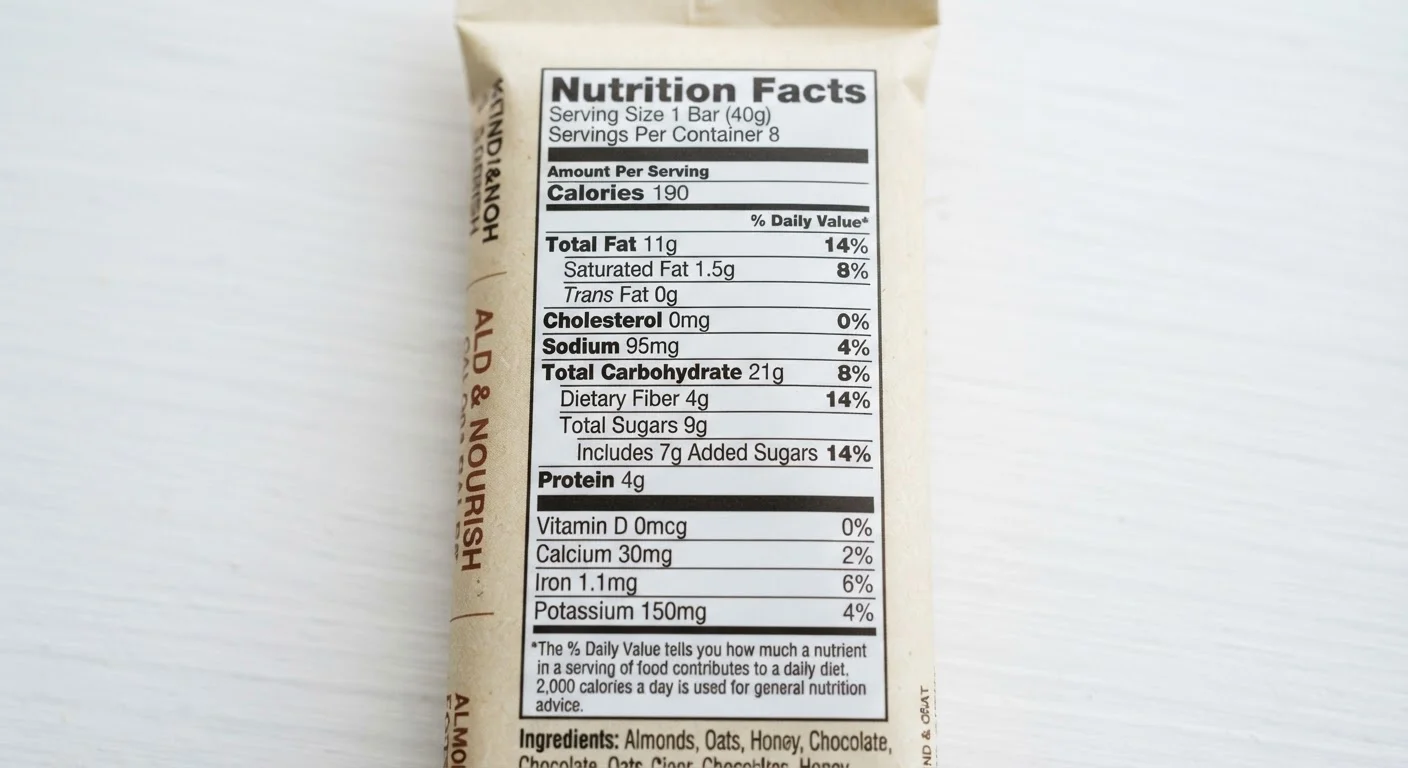
The U.S. Nutrition Facts label is a federally mandated format regulated by the Food and Drug Administration (FDA). Its current design - introduced with updates finalized around 2016 and phased in through 2020 - reflects shifts in nutrition science and public health priorities. The most significant changes from earlier versions include larger, bolder calorie counts, a mandatory added sugars line distinct from total sugars, and updated %DV figures based on revised dietary reference intakes.
Understanding why the label is structured the way it is helps you read it more strategically. It is not a diet plan. It is a standardized disclosure tool designed to let you compare products and make informed choices - provided you know what each section actually means.
If you are new to thinking about nutrition broadly, this label is a good practical starting point. And if you've ever felt whiplashed by conflicting nutrition headlines, it helps to know that nutrition science evolves - and that context matters.
Labels Inform - They Don't Diagnose
The information on a Nutrition Facts label is general guidance based on population-level reference values, not a prescription for your individual needs. Factors like age, health status, activity level, and medical conditions all affect what you personally need from food. For guidance tailored to your situation, consult a registered dietitian or your healthcare provider.
What You Need Before You Start
Reading a label effectively doesn't require any special tools, but having a real label in front of you as you work through the steps below will make each concept stick faster.
What you will need
Packaged food label
The primary object you will learn to interpret section by section.
FDA's Food Label Guide (fda.gov)
The official reference for current U.S. label regulations and definitions.
Step-by-Step: Reading Every Section
Work through the label from top to bottom - that is roughly the order of importance the FDA intended. Each section builds on the one before it.
Start with serving size and servings per container
Everything else on the label flows from this number. The serving size reflects a typical amount people eat at one time - it is not necessarily a recommendation. The FDA updated serving size rules to better reflect real-world consumption habits, so many labels now show larger portions than older versions did.
Check the servings per container line directly below. If a package contains 2.5 servings and you eat the whole thing, multiply every number on the label by 2.5.
Read the calorie count in context
Calories measure the energy a food provides per serving. The large, bold calorie number is intentional - it is meant to be the most immediately visible figure. However, calories alone don't indicate whether a food is nutritious. Energy balance involves far more nuance than a single number can capture.
Use the calorie count alongside the nutrient breakdown, not in isolation.
Identify nutrients to limit
Three nutrients warrant extra attention for most Americans, according to federal dietary guidance:
- Saturated fat - associated with cardiovascular risk at high intakes; listed separately from total fat
- Sodium - excess intake is linked to elevated blood pressure in many people
- Added sugars - distinct from naturally occurring sugars in fruit or dairy; the distinction matters for how your body responds
Trans fat is also listed; health guidance broadly recommends keeping it as close to zero as possible.
Identify nutrients to prioritize
Below the nutrients-to-limit section, labels list nutrients many Americans tend to under-consume:
- Dietary fiber - supports digestive health and sustained energy
- Vitamin D, calcium, iron, and potassium - nutrients the FDA identified as widespread shortfalls in the U.S. population
For a deeper look at what these micronutrients actually do in the body, see our field guide to vitamins and minerals.
Decode the Percent Daily Value (%DV)
The %DV column tells you how much of a nutrient one serving contributes toward a recommended daily total, based on a 2,000-calorie reference diet established by the FDA. It is a standardized benchmark, not a personalized target - your actual needs may differ based on age, sex, activity, and health status.
%DV is most useful as a comparison tool: scan two similar products and choose the one with higher %DV for nutrients you want more of, or lower %DV for nutrients you want less of.
Glance at the ingredient list
The ingredient list sits below the Nutrition Facts panel and is governed by a simple rule: ingredients appear in descending order by weight. The first ingredient makes up the largest proportion of the product. A food with water, whole oats, and nuts listed first differs meaningfully from one where sugar or refined flour leads the list.
Ingredient lists can be long for processed foods. You don't need to recognize every item - but noticing where sugar, refined grains, and sodium appear in the order is informative.
Use %DV as a Quick Comparison Tool
The FDA's general rule of thumb: 5% DV or less is considered low for a nutrient, while 20% DV or more is considered high. You don't need to hit 100% DV for every nutrient from a single food - that figure reflects your whole day's intake across all meals and snacks.
Watch for Multi-Serving Packages
A package that looks like a single portion - a bottled smoothie, a small bag of chips - may actually contain two or three servings according to the label. All calorie and nutrient figures multiply by the number of servings you consume. This is one of the most common sources of confusion when reading labels in real life.
Putting It All Together at the Store
A label becomes most useful when you compare it against similar products or against your overall eating pattern for the day. No single food needs to be nutritionally perfect - the goal is a reasonable balance across meals. A food high in sodium may still fit into a day where the rest of your meals are low in sodium.
Once you're comfortable reading labels, you can take this skill further. Our grocery store label-reading checklist gives you a practical, at-a-glance framework for evaluating packaged foods in real shopping conditions.
This article is for general informational purposes only and does not constitute medical or dietary advice. Individual nutritional needs vary. Consult a registered dietitian or qualified healthcare professional for guidance tailored to your health situation.
The content on this site is for informational purposes only and is not a substitute for professional advice. Always consult a qualified professional for guidance specific to your situation.