

Summary
18 items · 15-30 minutes per shopping trip
Why Label Reading Skills Matter
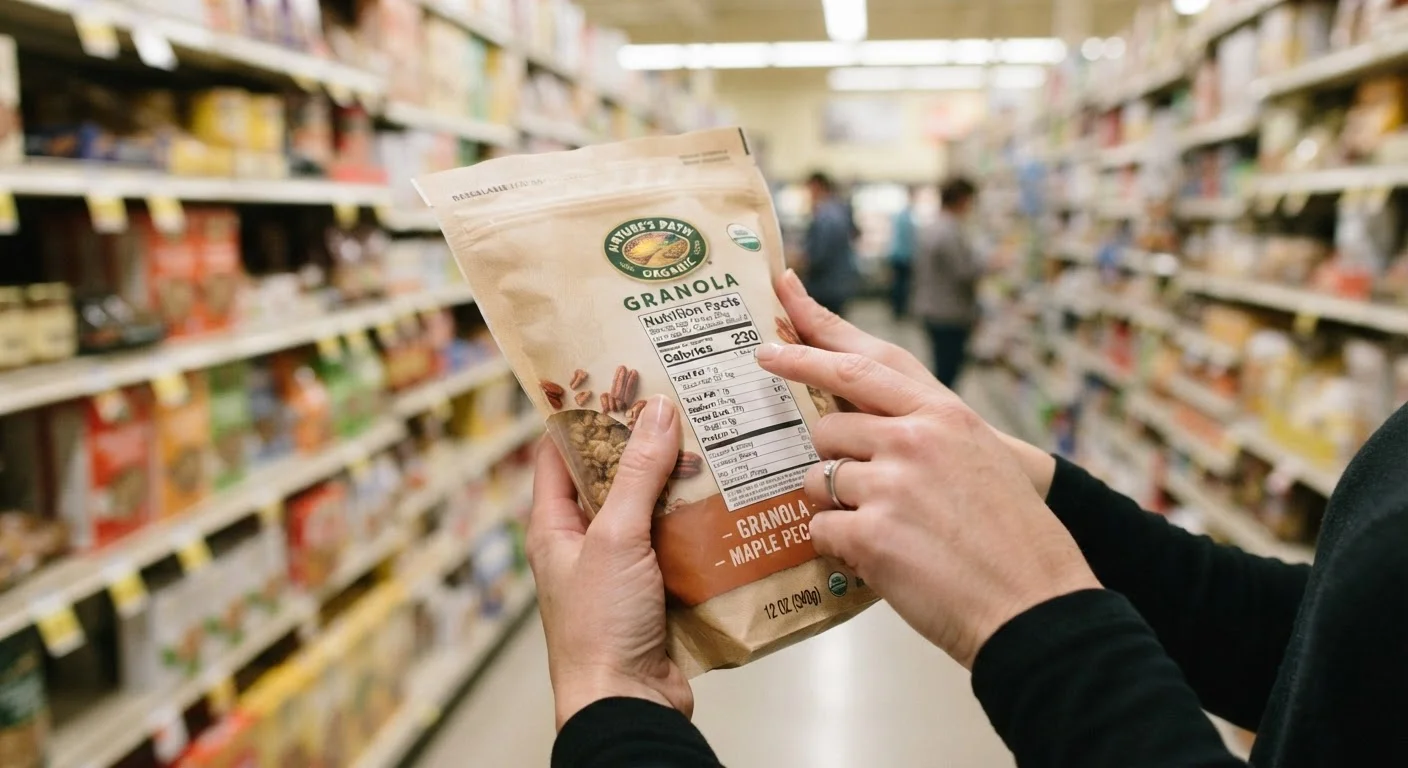
Packaged food labels contain a surprising amount of information - but they're also designed in ways that can mislead shoppers who don't know what to look for. Front-of-package claims like "natural," "light," or "multigrain" are largely unregulated marketing terms. The real data lives in the Nutrition Facts panel and the ingredient list, both mandated by the FDA.
Understanding how to read these panels is one of the most practical nutrition skills you can develop. It doesn't require a dietetics degree - just a systematic approach. This checklist walks you through the key checkpoints in order, so you can quickly evaluate any packaged product at the store.
For a broader look at where good intentions go wrong when changing your diet, see common dietary missteps worth avoiding. And if you want to understand the nutrients listed on the panel in more depth, our field guide to vitamins and minerals is a useful companion reference.
Labels Reflect a Single Serving - Not the Whole Package
One of the most consistent sources of confusion on nutrition labels is the gap between serving size and package size. A bottle of juice, a bag of chips, or a frozen entrée may contain two, three, or more servings - meaning all the numbers you see must be multiplied by however many servings you consume. Always check 'servings per container' before drawing any conclusions from the panel.
What You'll Need
This checklist requires nothing more than the product in your hands and a few minutes of attention. That said, a couple of optional tools can make the process easier, especially when you're just building the habit.
Smartphone with a nutrition tracking app
Allows you to scan a product's barcode for a quick breakdown of its nutritional profile and daily value contributions.
FDA's %Daily Value reference card
A simple reference to recall what 5% DV (low) and 20% DV (high) thresholds mean for any given nutrient.
Reading glasses (if applicable)
Nutrition Facts panels and ingredient lists are printed in small type - clear vision is essential for accurate reading.
The Label Reading Checklist
Work through these items in order. The first few checks anchor everything else - getting serving size wrong throws off every other number on the panel.
Start Here: Serving Size & Calories
Nutrients to Limit
Nutrients to Seek
Ingredient List Inspection
Front-of-Package Claims Check
"Healthy" Front Labels Can Be Misleading
A product marketed with imagery of whole grains, fruit, or vegetables may still be high in added sugars, sodium, or saturated fat. These visual cues are marketing choices, not nutritional certifications. The Nutrition Facts panel and ingredient list are your most reliable tools - always check them regardless of how the package looks or what it claims on the front.
Once you've practiced this process a few times, it becomes fast - most label evaluations take under two minutes. For a related approach to evaluating non-food purchases systematically, the product evaluation checklist applies similar structured thinking to consumer goods.
Calories are one dimension of a food's nutritional profile, but they don't tell the whole story on their own. Our article on energy balance explains why. Likewise, the protein content listed on a label may not capture the full picture - how protein sources compare across animal and plant foods depends on completeness and digestibility too.
This article is for general informational and educational purposes only and does not constitute medical or dietary advice. Consult a registered dietitian or qualified healthcare professional for guidance tailored to your individual health needs.
The content on this site is for informational purposes only and is not a substitute for professional advice. Always consult a qualified professional for guidance specific to your situation.