

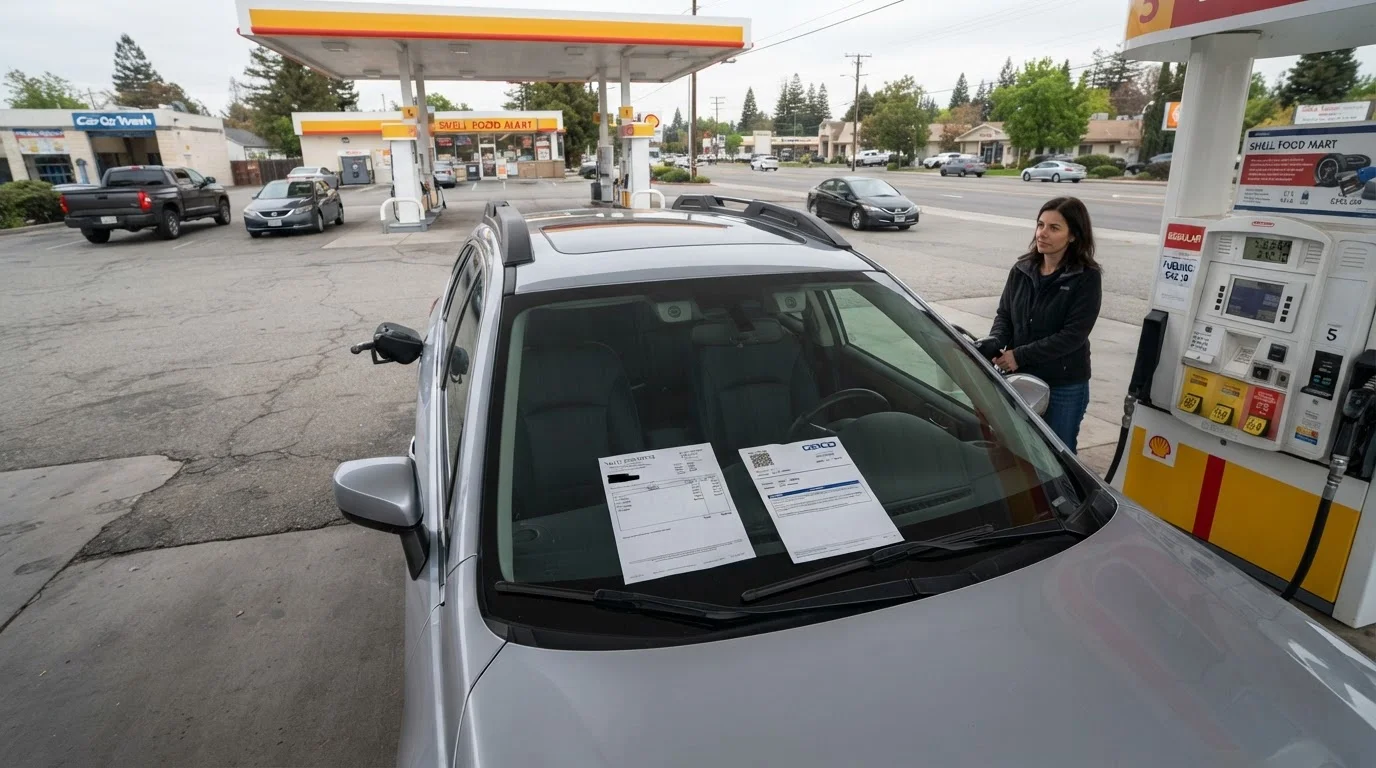
Why the Monthly Payment Is Only Part of the Picture
Most buyers focus on monthly payment when shopping for a vehicle. That figure feels concrete - it's a line item in a monthly budget. But it typically covers only the loan principal and interest, and sometimes not even that if taxes and fees are rolled in separately. The payment says almost nothing about what the vehicle will actually cost to own.
When you factor in insurance, fuel, maintenance, registration, and depreciation, the true annual expense of a vehicle is often 1.5 to 2 times the loan payment total. For everyday American households, this gap can quietly strain a budget that appeared manageable at the dealership. Understanding the full picture before you sign - not after - is one of the most practical financial moves a car buyer can make. Our Buying a Car guides cover how to approach the purchase process with this wider lens.
~$12,000
Average annual new vehicle ownership cost
AAA's annual Your Driving Costs study consistently estimates total ownership and operating costs for a new vehicle in this range when all expense categories are included.
47%
Share of value lost in first 3 years
Many new vehicles depreciate by roughly 40-50% of their original value within the first three years, making depreciation the dominant ownership cost for new-car buyers.
$1,771
Average annual US auto insurance expenditure
The National Association of Insurance Commissioners tracks average auto insurance expenditure nationally; premiums vary significantly by state, vehicle, and driver profile.
Breaking Down the Major Cost Categories
Depreciation
A new vehicle typically loses a significant portion of its value within the first few years of ownership. This isn't a bill that arrives in the mail, but it's a real cost - the difference between what you paid and what the vehicle is worth when you sell or trade it. Depreciation tends to be steepest early in a vehicle's life and slows as the car ages. This is one reason a lightly used vehicle can offer a different value profile than a brand-new one, as explored in our comparison of new vs. used car trade-offs.
Insurance
Auto insurance is a mandatory, recurring cost in every US state. Premiums vary based on the driver's history, the vehicle's age and value, coverage level, location, and other factors. Comprehensive and collision coverage - required by most lenders if you carry a loan - adds meaningfully to the cost of a basic liability-only policy.
Fuel
Fuel costs depend on how much you drive, local gas prices, and your vehicle's fuel economy. A driver commuting 15,000 miles annually in a vehicle averaging 25 mpg will use roughly 600 gallons of fuel per year. Multiply that by local pump prices to gauge your annual fuel spend. This figure shifts with gas prices but remains a predictable major expense.
Maintenance and Repairs
Routine maintenance - oil changes, tire rotations, brake service, fluid checks - is necessary to keep a vehicle running reliably. Skipping scheduled service to save money in the short term often accelerates wear and leads to more expensive repairs later. Older vehicles or high-mileage cars may require more frequent attention. Aggressive driving habits can also accelerate mechanical wear, adding to these costs.
Registration, Taxes, and Fees
Annual registration fees, state and local taxes, and inspection requirements vary considerably across the US. These are relatively predictable costs, but they're easy to overlook when budgeting, particularly in states with higher vehicle property taxes or registration surcharges tied to vehicle value.
A buyer in a mid-size city finances a new midsize sedan with a $450 monthly payment. After adding insurance ($150/month), fuel ($120/month), and an estimated $80/month for maintenance and fees, the real monthly cost is closer to $800.
A driver purchases a three-year-old used SUV at a lower price point, avoiding the steepest years of depreciation that a new buyer would absorb.
A commuter switches from a large pickup truck to a compact car with significantly better fuel economy for a 20,000-mile-per-year driving routine.
How to Estimate Your Vehicle's True Annual Cost
A practical approach is to build a simple annual cost estimate before committing to a vehicle. Add up the following:
- Loan payments (annual total, including interest)
- Insurance premium (get quotes before purchase, not after)
- Estimated fuel cost (miles driven ÷ mpg × local fuel price)
- Routine maintenance (use the manufacturer's service schedule as a baseline)
- Registration and fees (check your state's DMV for current rates)
- Depreciation estimate (compare current resale values of the same model 3-5 years older)
This exercise rarely takes more than 30 minutes and can reveal whether a vehicle that seems affordable on a monthly basis fits your actual financial situation. The same discipline applies when evaluating other large purchases - as our article on hidden costs shoppers routinely overlook explains, the sticker price seldom tells the full story.
Get Insurance Quotes Before You Commit
Many buyers don't check insurance costs until after they've agreed to a purchase price - by which point they're already emotionally committed. Request quotes for the specific vehicle make, model, and trim you're considering before you sign anything. Insurance costs can vary by hundreds of dollars annually between otherwise similar vehicles, and this information should be part of your decision, not an afterthought.
Factors That Shift the Numbers Significantly
No two vehicle ownership situations are identical. A few variables that can push costs substantially higher or lower include:
- Where you live: Urban drivers often pay more for insurance and parking; rural drivers may drive more miles.
- How you drive: Highway driving generally achieves better fuel economy than stop-and-go city commuting.
- Vehicle age and reliability: Older vehicles may have lower insurance and registration costs but higher maintenance and repair exposure.
- Financing terms: A longer loan term lowers monthly payments but increases total interest paid and extends the period of highest depreciation.
Being honest about your driving habits and local costs is essential to building an accurate estimate. General cost figures from national surveys can serve as a useful reference point, but your individual situation will always differ from the average.
This article provides general financial information for educational purposes only and does not constitute personalized financial or legal advice. Consult a qualified financial professional for guidance specific to your circumstances.
Frequently Asked Questions
Industry estimates from organizations like AAA consistently place the average annual cost of owning and operating a new vehicle in the range of $10,000-$12,000 when all expenses are included. The exact figure varies widely by vehicle type, location, and usage. Larger vehicles and those with lower fuel economy cost considerably more.
Yes - depreciation represents real lost value whether you sell the vehicle or not. If you eventually trade in or sell, that reduced value directly affects what you receive. Even if you keep the car indefinitely, you're consuming an asset that had monetary worth when you purchased it.
Choosing a vehicle with strong reliability ratings, keeping up with scheduled maintenance, shopping for competitive insurance rates, and driving at moderate speeds to improve fuel economy are all practical strategies. Buying a lightly used vehicle instead of new can also significantly reduce the depreciation hit in the first years of ownership.
Significantly. State minimum coverage requirements, litigation environments, population density, and local weather patterns all influence insurance premiums. Drivers in some states pay more than double what drivers in lower-cost states pay for comparable coverage.
A general guideline is to set aside $500-$1,000 annually for routine maintenance such as oil changes, tire rotations, filters, and brake inspections on a newer vehicle. Older vehicles or those with higher mileage may require more. Unexpected repairs can add substantially to this figure in any given year.
The content on this site is for informational purposes only and is not a substitute for professional advice. Always consult a qualified professional for guidance specific to your situation.