

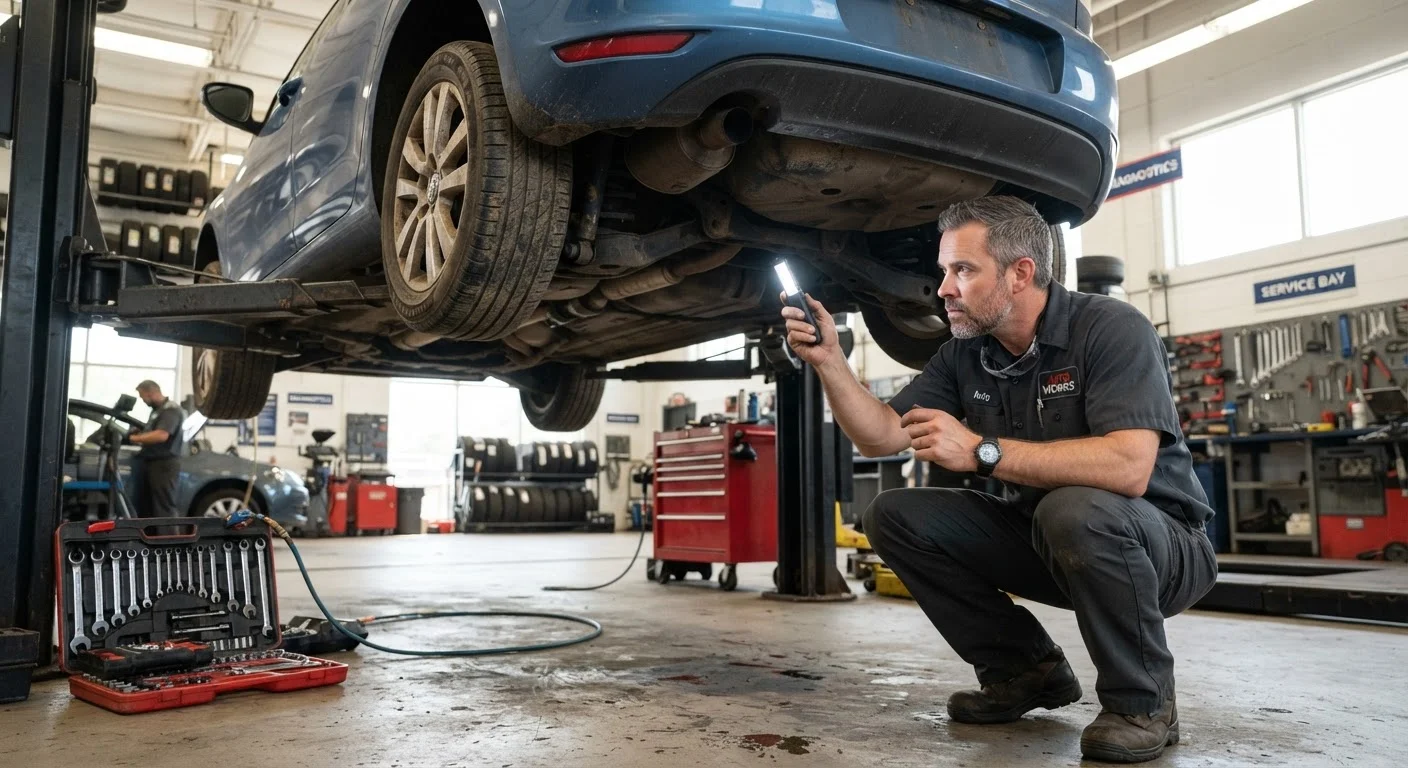
What a Pre-Purchase Inspection Actually Involves
A pre-purchase inspection (PPI) is a methodical, hands-on evaluation of a used vehicle's condition by a qualified, independent mechanic. Unlike a test drive - which gives you a subjective feel for the car - a PPI is designed to surface objective findings about what's working, what's worn, and what may be about to fail.
The process typically takes one to two hours and involves raising the vehicle on a lift, checking beneath the body, and systematically working through key systems. Most reputable mechanics will provide a written report at the end, documenting every finding with notes on severity.
Choose Your Own Inspector
Always arrange the PPI yourself rather than relying on the seller's recommended mechanic. Contact an independent shop with ASE-certified technicians and schedule the appointment directly. If you're unfamiliar with shops in the area, ask the mechanic upfront whether they have experience with the vehicle's specific make and model - some specialty vehicles benefit from brand-specific expertise.
Here's what a thorough PPI generally covers:
- Engine and drivetrain: Oil condition and level, coolant, belts, hoses, signs of leaks, and any unusual noises under load.
- Transmission: Fluid condition and shifting behavior, whether manual or automatic.
- Brakes: Pad and rotor thickness, brake fluid condition, and signs of uneven wear.
- Suspension and steering: Worn ball joints, tie rods, shocks, or struts that affect handling and safety.
- Tires: Tread depth, wear patterns (which can indicate alignment or suspension issues), and sidewall condition.
- Exhaust system: Leaks, rust, and emission-related components.
- Body and frame: Rust, corrosion, evidence of prior collision repair, and frame straightness.
- Electrical systems: Lights, battery, alternator, dashboard warning indicators, and HVAC function.
- Fluids across the board: Power steering, brake, and windshield washer fluid levels and condition.
Why a Test Drive Isn't Enough
A test drive is a useful first step, but it has real limits. A slow coolant leak, a cracked frame rail from a prior collision, or a transmission showing early signs of wear are unlikely to announce themselves in a 15-minute drive around the block. Many mechanical and structural problems develop gradually and only become apparent under specific conditions - or to a trained eye with the car raised on a lift.
Sellers are also rarely obligated to disclose every known issue, and even an honest private seller may not know what's lurking under the chassis. An independent mechanic, with no stake in whether the sale goes through, has both the tools and the incentive to tell you the full story.
PPI vs. Vehicle History Report
These two tools complement each other but cover very different ground. A vehicle history report (such as those provided by services like Carfax or AutoCheck) documents past reported events: accidents filed with insurance, title changes, and odometer readings at registration. A PPI examines the car's current physical state. Unreported incidents, deferred maintenance, and wear-related deterioration won't appear in any history report - only a hands-on inspection can catch them.
Vehicle history reports are another useful tool, but they record only what's been formally reported - insurance claims, title changes, odometer readings logged at registration. Unreported incidents, deferred maintenance, and gradual mechanical wear won't appear in any database. A PPI fills that gap by assessing the car's actual present condition.
How to Use the Inspection Results
A PPI report is a negotiating tool as much as it is a safety check. If the inspection surfaces a needed repair - say, brake pads at the end of their service life or a leaking CV axle boot - you can factor that cost into what you're willing to pay. Some buyers use findings to negotiate a price reduction; others ask the seller to make specific repairs before closing. In cases where the inspection reveals significant structural damage or multiple failing systems, walking away is a legitimate and often wise outcome.
Even a clean report has value: it confirms you're making a sound decision and gives you a documented baseline of the vehicle's condition at purchase - useful if disputes arise later.
If you're weighing a certified pre-owned vehicle, keep in mind that CPO inspections are conducted by the selling dealership. An independent PPI can serve as a second opinion. And once you own the car, understanding your coverage options - including what extended warranties actually cover - is a natural next step in protecting your investment.
For a broader look at responsible car ownership from purchase through maintenance, the Car Ownership hub covers the full range of decisions drivers face.
Frequently Asked Questions
Most independent mechanics and shops charge between $100 and $200 for a standard PPI. Prices vary by region, the complexity of the vehicle, and the depth of the inspection. That cost is almost always worth it given the potential repair bills it can help you avoid.
A dealer or private seller can refuse, but doing so is a significant red flag. Legitimate sellers with nothing to hide generally welcome an independent inspection. If a seller refuses, consider it a reason to walk away.
No - they serve different purposes. A vehicle history report shows past events on record (accidents, title changes, odometer readings). A PPI assesses current physical and mechanical condition. Using both together gives you the most complete picture.
It's still worth considering. CPO programs vary widely between automakers, and not every inspection covers every component equally. An independent PPI can confirm what the CPO inspection found - or surface something it missed.
Choose a mechanic or shop with no financial connection to the seller. Look for ASE-certified technicians, and ask upfront whether they have experience with the vehicle's make. For guidance on evaluating shops, see our article on <a href="/cars-driving/car-ownership/before-you-hand-over-your-keys-choosing-a-mechanic-you-can-trust">choosing a mechanic you can trust</a>.
You have options: negotiate a lower price to account for repair costs, ask the seller to fix specific issues before purchase, or walk away entirely. A written inspection report gives you documentation to use in any negotiation.
The content on this site is for informational purposes only and is not a substitute for professional advice. Always consult a qualified professional for guidance specific to your situation.