

Why Most Buyers Read Inspection Reports the Wrong Way
When a home inspection report arrives, first-time buyers often react to its length - 40 to 60 pages filled with photographs, codes, and flagged items. The instinct is to count the number of issues listed, as if more findings automatically means a worse house. That framing leads to poor decisions in both directions: panicking over minor defects and overlooking genuinely serious ones.
Professional inspectors are required to document nearly everything they observe, including small cosmetic imperfections. The real skill for buyers isn't reading every line - it's identifying which findings carry real financial and safety consequences. Before you even sit down with the report, review our home-buyer's due diligence checklist to understand how inspection fits into the broader picture of evaluating a property.
The sections below walk you through exactly where to focus your attention and what questions to ask.
What you will need
The Systems That Actually Matter: Where to Focus First
Not all defects are equal. Prioritize findings in these categories, roughly in order of potential cost and risk:
Structural Integrity
Foundation cracks, bowing basement walls, sagging roof lines, and damaged load-bearing elements are in a different category from everything else on the report. Structural repairs can run into five or six figures and may affect insurability. If an inspector flags any structural concern, request a follow-up evaluation from a licensed structural engineer before proceeding.
Roof Condition
Age and remaining useful life matter as much as current damage. A roof near the end of its lifespan - typically 20 to 30 years for asphalt shingles - represents a near-term capital expense that should factor into your offer or renegotiation, even if it isn't actively leaking on inspection day.
Electrical Systems
Outdated panels, double-tapped breakers, aluminum branch wiring, and ungrounded outlets are common findings in older homes. Some represent fire hazards; others affect your ability to obtain homeowner's insurance. An electrician's estimate will clarify scope and cost.
Plumbing and Water Intrusion
Active leaks, galvanized steel pipes past their service life, signs of past flooding, and improper drainage slopes all belong in the serious column. Water damage is frequently concealed by cosmetic finishes - which is one reason attending the inspection in person is so valuable. The inspector can show you exactly where moisture readings were elevated.
HVAC Systems
Heating and cooling equipment has defined service lives. A furnace that's 25 years old or a compressor showing signs of strain may need replacement soon. Ask the inspector to note the age and condition of each unit so you can budget accordingly.
Consider Specialist Inspections Beyond the General Report
A standard home inspection covers visible and accessible systems but does not include specialized assessments for radon, sewer lines, mold, or pest infestations. Depending on the property's age, location, and the general inspector's observations, adding one or more of these targeted inspections can be well worth the added cost. Ask your real estate agent which specialty inspections are common and advisable in your local market.
Step-by-Step: Getting the Most from Your Inspection
Attend the Inspection in Person
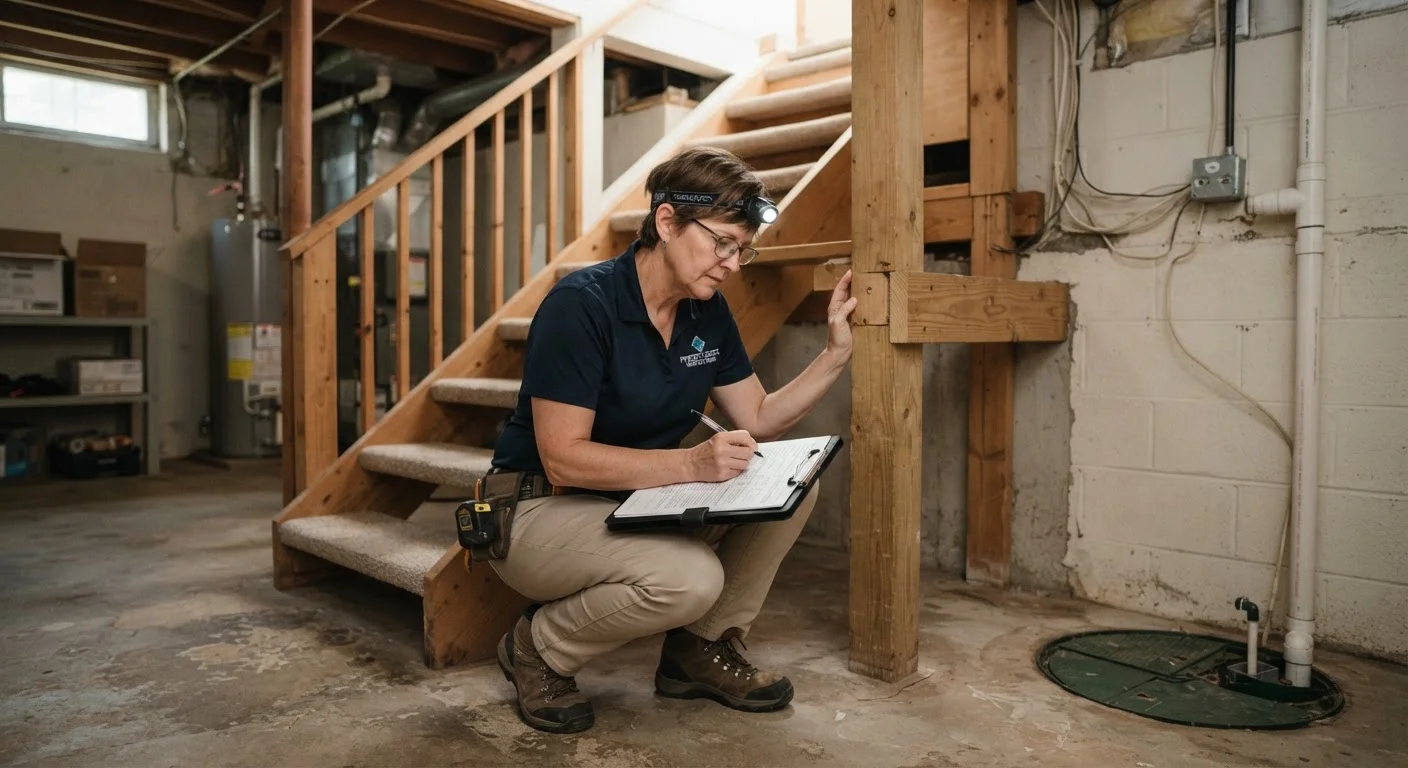
Show up for the entire inspection, not just the final walkthrough. Following the inspector through the property gives you direct context for every finding. Written descriptions in a report rarely convey the same urgency - or the same reassurance - as seeing the issue with your own eyes.
Ask the Inspector to Rank Findings by Severity
Most inspectors are willing to verbally distinguish between safety issues, items requiring immediate repair, and items to monitor over time. Ask them directly: "Which of these would you want addressed before you moved in?" That framing shifts the conversation from documentation to prioritization.
Get Specialist Estimates for Any Major Finding
When the inspector flags a potential structural issue, an aging electrical panel, or a roof near end-of-life, a general report is only the first step. Hire the appropriate licensed specialist - structural engineer, licensed electrician, roofing contractor - to evaluate the scope and provide a written estimate. This turns a vague concern into a concrete number you can act on.
Separate Cosmetic Issues from Deal-Affecting Defects
Chipped paint, minor scuffs, older appliances in working order, and small hairline cracks in drywall are typical in any lived-in home. These belong on a future maintenance list, not in a renegotiation demand. Focusing your leverage on significant, documented defects makes your position stronger and keeps the transaction moving forward.
Review the Report Against Your Inspection Contingency Terms
Your purchase contract almost certainly includes an inspection contingency - a clause that specifies your rights and deadlines if the inspection reveals problems. Review this section carefully with your real estate agent or attorney before the contingency period expires. Missing the deadline can mean losing your right to withdraw or renegotiate based on inspection findings.
After walking through the report with these priorities in mind, you'll be in a position to make a strategic decision. Some buyers withdraw under an inspection contingency when major findings surface. Others renegotiate the purchase price or request that specific repairs be completed before closing. Understanding which path fits your situation - and your contract terms - often determines whether the deal survives. See our guide on why buyers lose deals and how to keep yours on track for a detailed look at how inspection disputes can derail a purchase and how to navigate them.
This article is for general informational purposes only and does not constitute legal, financial, or professional real estate advice. Consult a licensed real estate professional and qualified inspectors for guidance specific to your situation and local market.
The content on this site is for informational purposes only and is not a substitute for professional advice. Always consult a qualified professional for guidance specific to your situation.