

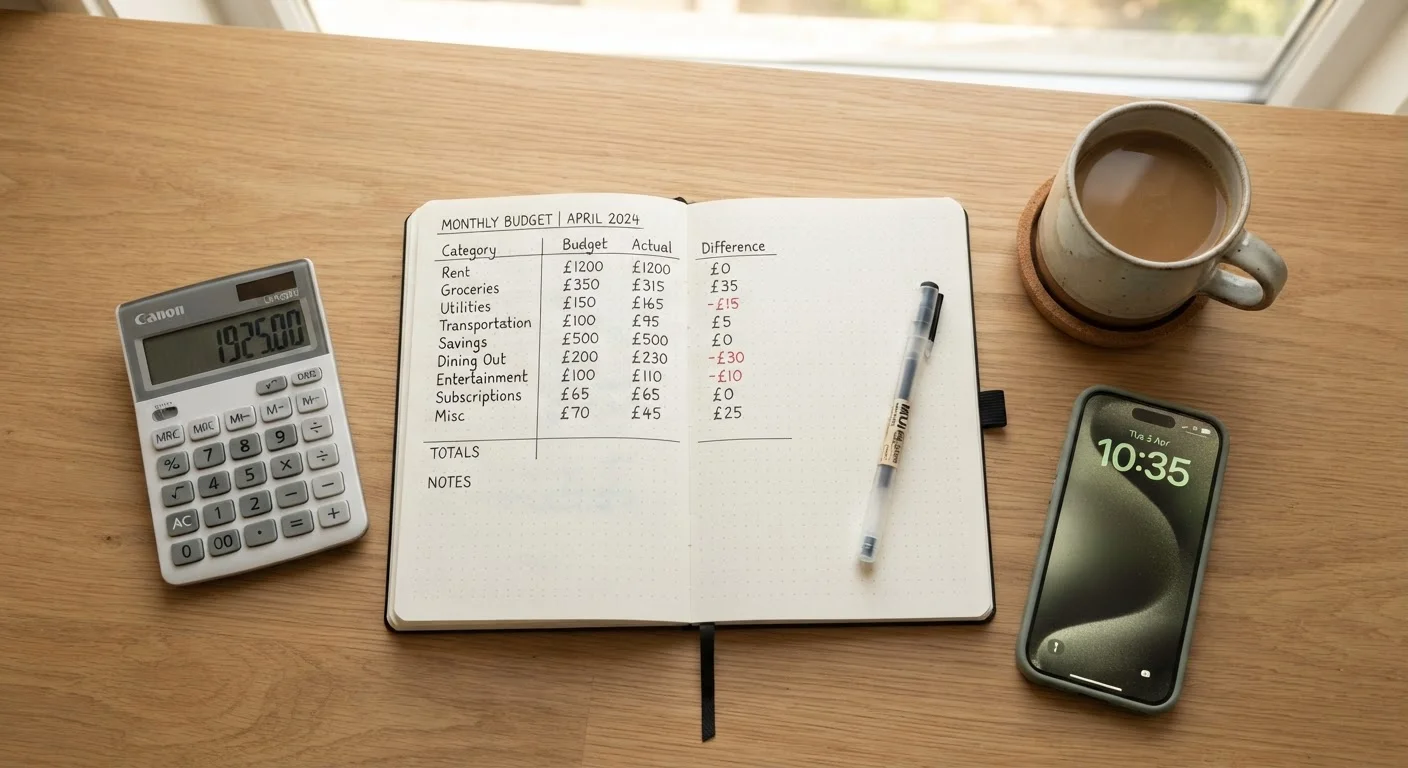
The Misconception That Gets in the Way
Ask most people what a personal budget is and you'll hear something like: "It's where you cut out everything fun so you can pay your bills." That framing - budget as deprivation - is exactly why so many people avoid creating one in the first place.
The reality is almost the opposite. A personal budget doesn't tell you what you can't do. It tells you what you can do - and with confidence. When you know how much is coming in and where it needs to go, every spending decision becomes clearer. You're not guessing whether you can afford dinner out; you already know.
This misunderstanding isn't trivial. It keeps people from starting a habit that research consistently links to lower financial stress and better long-term outcomes. If you've avoided budgeting because it sounds miserable, it's worth reconsidering what you think a budget actually is. For a deeper look at the myths holding people back, see common budgeting myths that may be getting in your way.
Reframe What a Budget Means to You
Before you write down a single number, try replacing the word 'budget' with 'spending plan' in your mind. A spending plan sounds like something you design - because it is. This small mental shift can reduce the resistance many people feel before they even start.
What a Personal Budget Actually Does
At its core, a personal budget answers three questions: How much money am I bringing in? How much am I spending - and on what? And what's left over for savings or other goals?
It operates on a simple principle: income minus expenses equals the money available for saving or investing. When that number is negative, a budget helps you see why - and where adjustments make sense. When it's positive, a budget helps you make that surplus intentional rather than letting it quietly disappear.
~33%
Americans who follow a detailed budget
Gallup polling has consistently found that only about one-third of U.S. households maintain a detailed monthly budget, despite widespread acknowledgment that budgeting reduces financial stress.
$1,000
Emergency savings threshold many lack
Surveys from Bankrate have found that a significant share of American adults would struggle to cover an unexpected $1,000 expense from savings - a gap a budget is specifically designed to address over time.
Budgets typically cover a monthly cycle because most income and major bills operate on that rhythm. But the time period is flexible - weekly budgets work well for people managing tighter cash flow, while annual budgets help with irregular expenses like insurance premiums or holiday spending.
Understanding the building blocks - what counts as a fixed expense versus a variable one - makes the whole process easier. Our plain-English glossary of budgeting terms is a useful reference if any of that terminology feels unfamiliar.
Why People Struggle With It (Even When They Try)
Even people who sit down and create a budget often abandon it within a few weeks. The failure usually isn't about willpower or math - it's about setup mistakes that make the budget unrealistic from day one.
The most common problem: underestimating irregular expenses. Groceries, rent, and utility bills get accounted for, but irregular costs - car repairs, medical copays, back-to-school supplies - don't make the list. When they inevitably arrive, the budget appears to "fail," and the person gives up. The fix is building a category for irregular and unexpected costs from the start.
A second common mistake is treating the first draft as final. A budget is a living document. The first month will be wrong in places - that's expected. Adjusting it based on what actually happened is the process working, not the process failing.
“A budget is telling your money where to go instead of wondering where it went.”
— Dave Ramsey, Personal finance author and radio host
If you're ready to build something concrete, building your first budget from a blank slate walks through every step, from listing your income to setting spending limits that hold up in real life.
Budgets Apply Beyond Personal Finance
Once you understand what a budget is, the concept extends naturally into other areas of life. Planning a vacation, for instance, requires the same logic: estimate what you'll spend across categories, compare it to what you're willing to allocate, and adjust until the numbers work. Many travelers underestimate how much a trip actually costs - the anatomy of a travel budget breaks down what commonly gets overlooked.
The broader point is that budgeting is a thinking skill, not just a spreadsheet exercise. It's the habit of connecting your intentions to your money - which is something that pays off whether you're managing a household, planning a trip, or working toward a longer-term goal like buying a home.
For a comprehensive look at building and sustaining a budget over time, the complete personal budgeting roadmap covers everything from understanding your cash flow to handling financial setbacks.
This article is for general informational and educational purposes only and does not constitute personalized financial advice. Please consult a qualified financial professional for guidance specific to your situation.
Frequently Asked Questions
No. A budget can be as simple as listing your monthly income and subtracting your planned expenses. Even a basic version written on paper gives you a clearer picture of your finances than having no plan at all. Complexity is optional - consistency is what matters.
Not at all. Budgeting is useful at every income level and financial situation. People use budgets to save for vacations, build emergency funds, or simply reduce financial stress. Debt is just one of many reasons someone might start a budget.
Tracking spending is a backward-looking activity - it records what already happened. A budget is forward-looking - it plans what should happen. Both are valuable, and tracking often informs your budget, but they serve different purposes.
Variable income makes budgeting more challenging but not impossible. A common approach is to budget based on your lowest expected monthly income and treat anything above that as a bonus allocated to savings or priorities. Our complete roadmap covers this in more detail.
Most financial educators suggest reviewing your budget monthly, since expenses and income can shift. Major life changes - a new job, a move, a new dependent - warrant an immediate budget review regardless of timing.
The content on this site is for informational purposes only and is not a substitute for professional advice. Always consult a qualified professional for guidance specific to your situation.